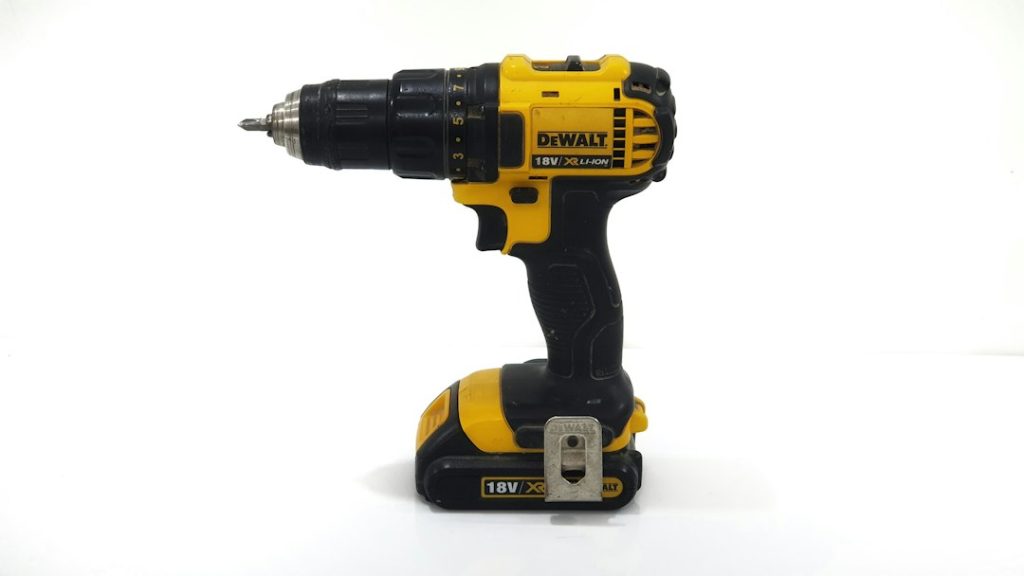
The decision between a 12V and an 18V cordless drill often hinges on the perceived demands of your DIY projects. For many homeowners, the compact convenience of a 12V tool seems appealing, while those tackling more robust tasks gravitate towards the raw power of an 18V system. However, understanding the nuances of voltage, torque, speed, and battery life is crucial to avoid overspending or underpowering your toolbox. This 2026 guide dissects the critical differences to help you choose the right drill for your specific needs, from assembling flat-pack furniture to drilling into concrete.
Understanding Cordless Drill Power: The 12V vs. 18V Debate
At the heart of the cordless drill dichotomy lies the concept of voltage. It’s the fundamental electrical potential that drives the motor, and by extension, the drill’s overall capability. While higher voltage generally correlates with more power, it’s not the sole determinant of a drill’s performance. Factors like motor design, gearing, and battery technology also play significant roles.
What Does Voltage Mean for a Drill?
Voltage (V) is a measure of electrical potential energy. In cordless tools, it dictates how much “push” the motor receives. A higher voltage means the motor can spin faster and/or with more force. Think of it like water pressure: a higher pressure allows water to travel further and with more force. For drills, this translates to the ability to spin a bit faster (higher RPMs) and, more importantly, to generate more torque.
The Core Differences: Torque, Speed, and Battery Life
The primary distinctions between 12V and 18V drills manifest in three key areas:
* Torque: This is the rotational force a drill can deliver, measured in Newton-meters (Nm) or inch-pounds (in-lbs). Higher torque is essential for driving large screws, working with dense materials, and preventing the drill from bogging down under load. 18V drills generally offer significantly higher torque than their 12V counterparts.
* Speed (RPM): Revolutions per minute (RPM) indicate how fast the chuck can spin. While both 12V and 18V drills typically offer variable speed triggers and multi-speed gearboxes, 18V models often achieve higher maximum RPMs, leading to faster drilling in many applications.
* Battery Life: Higher voltage systems, particularly 18V, often come with larger capacity batteries (measured in Amp-hours, Ah). This, combined with more efficient motors in higher-end models, generally translates to longer runtimes per charge, crucial for extended use. However, 12V batteries are also smaller and lighter, leading to a more balanced tool overall.

12V Drills: Your Go-To for Everyday Home Repairs
12V cordless drills are designed for users who prioritize compactness, light weight, and ease of use for common household tasks. They excel in situations where maneuverability and reduced fatigue are paramount.
Best 12V Drills for Light Duty: DeWalt 12V MAX Xtreme, Makita CXT
When seeking top-tier 12V performance, brands like DeWalt and Makita consistently deliver. The DeWalt 12V MAX Xtreme line offers impressive power-to-size ratios, featuring compact brushless motors capable of surprisingly robust performance for their class. Makita’s CXT (Compact Xtreme Technology) platform also provides a range of lightweight, ergonomic 12V tools that are ideal for extended use without causing strain. These drills typically fall in the 15-30 Nm (130-265 in-lbs) torque range.
Performance in Light Tasks: Assembling Furniture, Hanging Pictures
For the vast majority of home repairs, a 12V drill is more than sufficient. Tasks such as:
* Assembling flat-pack furniture (IKEA, Wayfair, etc.)
* Hanging shelves, picture frames, and light décor
* Installing cabinet hardware
* Minor repairs around the house
are easily handled by the torque and speed offered by most 12V models. Their smaller chucks and lighter weight make them nimble for repetitive tasks.
Portability and Ergonomics: Why 12V Excels for Quick Jobs
The inherent advantage of 12V drills lies in their reduced size and weight. This makes them incredibly easy to handle, especially in tight spaces or overhead. For quick jobs or when working on a ladder, the reduced strain on your wrist and arm is a significant benefit. They are also often more affordable, making them an excellent entry point into cordless tool ownership.
DeWalt 12V MAX Xtreme
Pros:
- Excellent power-to-size ratio
- Compact and lightweight design
- Good battery life for its class
- Durable construction
Cons:
- Limited torque for heavy-duty tasks
- May struggle with very large fasteners
Makita CXT
Pros:
- Highly ergonomic and user-friendly
- Extensive 12V tool ecosystem
- Lightweight for extended use
- Reliable performance for home use
Cons:
- Torque output is moderate
- Not suitable for construction-grade work
18V Drills: Tackling Heavy Construction and Demanding Projects
When your projects move beyond simple assembly and into the realm of construction, renovation, or frequent heavy use, 18V drills become the more appropriate choice. Their increased power, torque, and often larger battery capacity are built for more demanding applications.
Top 18V Drills for Serious Work: Milwaukee M18 FUEL, Bosch 18V
In the 18V category, performance leaders like Milwaukee’s M18 FUEL line and Bosch’s 18V system stand out. Milwaukee’s FUEL series, often featuring advanced brushless motors and intelligent electronics, delivers exceptional torque (often exceeding 80 Nm / 700 in-lbs) and speed, making them capable of driving large lag bolts and drilling through tough materials. Bosch’s 18V line offers a similar blend of power, durability, and increasingly sophisticated battery management systems for sustained performance.
Powering Through: Drilling into Concrete, Driving Large Fasteners
The substantial torque of 18V drills allows them to handle tasks that would quickly overwhelm a 12V model:
* Drilling pilot holes for large fasteners (e.g., lag bolts for decks or framing)
* Driving long screws into dense hardwoods
* Drilling into masonry or concrete (when equipped with a hammer function)
* Mixing drywall mud or thin-set mortar (with appropriate attachments)

Battery Stamina: When Extended Use is Non-Negotiable
For professionals or serious DIYers who spend hours at a time on a project, battery life is a critical consideration. 18V platforms typically offer higher Amp-hour (Ah) battery options (4.0 Ah, 5.0 Ah, 6.0 Ah, and even higher). Combined with more efficient brushless motors, this allows for significantly longer runtimes, reducing downtime for recharging during intensive workdays.
| Specification | Typical 12V Drills | Typical 18V Drills |
|---|---|---|
| Voltage | 12V Nominal | 18V Nominal |
| Torque (in-lbs) | 130 – 265 in-lbs (15 – 30 Nm) | 350 – 700+ in-lbs (40 – 80+ Nm) |
| Max Speed (RPM) | 1,400 – 1,700 RPM | 1,800 – 2,200 RPM |
| Weight (w/ battery) | 2.0 – 3.0 lbs (0.9 – 1.4 kg) | 3.0 – 5.0 lbs (1.4 – 2.3 kg) |
| Common Tasks | Furniture assembly, light repairs, hanging decor | Deck building, framing, heavy-duty screw driving, masonry drilling |
| Battery Life | Shorter runtimes, lighter batteries | Longer runtimes, heavier batteries |
| Price Range (Tool Only) | $70 – $150 | $100 – $250+ |
Real-World Scenarios: When to Choose 12V vs. 18V
Deciding between 12V and 18V becomes clearer when examining specific project types.
Scenario 1: Assembling Flat-Pack Furniture – Why 12V is Often Enough
When you unbox that new bookshelf or TV stand, the screws are typically self-tapping and the material (particle board or MDF) is relatively soft. A 12V drill, set to a low torque setting, can easily drive these screws without stripping them or damaging the material. Its light weight also makes maneuvering around the furniture pieces much less cumbersome.
Scenario 2: Building a Deck or Fence – The 18V Advantage
Constructing a deck or fence involves driving long, substantial screws (e.g., 3-inch or longer) into pressure-treated lumber. This requires significant torque. An 18V drill, especially one with a high torque rating and a brushless motor, is essential here. It can sink these fasteners efficiently without bogging down, saving considerable time and effort compared to attempting the same with a 12V drill.
Scenario 3: Installing Drywall – Can 12V Handle It?
Installing drywall primarily involves driving drywall screws into wooden studs or metal framing. While a 12V drill *can* perform this task, it may struggle with speed and consistency, especially if the drywall is slightly uneven or the screw head sinks too deep. An 18V drill offers better control and power for this repetitive but demanding task, allowing for quicker installation and fewer errors. Some 18V drills even feature “drywall modes” for optimal depth control.

Scenario 4: Automotive Repairs – Weighing Power and Precision
For light automotive tasks like removing interior trim screws or small engine bay components, a 12V drill can be advantageous due to its size and access to tight spaces. However, for more robust tasks such as suspension work or removing stubborn bolts, the higher torque and potential for impact action (if using an impact driver, often part of an 18V system) from an 18V tool are indispensable. Precision is key in automotive work; ensuring the drill has adjustable clutch settings is vital regardless of voltage.
Beyond Voltage: Other Factors in Choosing Your Cordless Drill
While voltage is a primary differentiator, several other features significantly impact a drill’s usability and suitability for your tasks.
Chuck Size and Type
The chuck is where the drill bit is held. Most cordless drills feature a keyless chuck, typically ranging from 3/8-inch to 1/2-inch. A 1/2-inch chuck is generally preferred for 18V drills as it can accommodate larger bits and offers a more secure grip for higher torque applications. Ensure the chuck tightens firmly and centered.
Brushless vs. Brushed Motors
Brushless motors are more efficient, run cooler, offer longer runtimes per battery charge, and typically provide more power and torque than traditional brushed motors. While often found in higher-end 18V models (and increasingly in premium 12V offerings), they represent a significant performance upgrade.
Impact Driver vs. Drill Driver Functionality
It’s important to distinguish a standard drill/driver from an impact driver. A drill/driver uses rotational force to drive screws and drill holes. An impact driver, however, delivers rapid rotational impacts (like hammering) along with rotation, making it far more effective at driving long screws or bolts into dense materials with less user fatigue. Many users opt for an 18V impact driver alongside their 18V drill driver for maximum versatility.
Milwaukee M18 FUEL
Pros:
- Exceptional power and torque
- Advanced brushless motor technology
- Excellent battery life and durability
- Part of a vast M18 tool ecosystem
Cons:
- Higher price point
- Can be heavier than other 18V options
Bosch 18V
Pros:
- Strong performance and reliability
- Good balance of power and ergonomics
- Innovative battery technology (e.g., ProCORE)
- Robust build quality
Cons:
- Some models can be pricey
- Chuck quality can vary by model
Investing Wisely: Cost Considerations for 12V and 18V Systems
The financial aspect of choosing a drill system is not just about the initial purchase price.
Initial Tool Cost
Generally, 12V drills are less expensive than their 18V counterparts. A basic 12V drill kit (including one battery and charger) might range from $70 to $150, whereas an 18V kit often starts at $100 and can easily exceed $250 for high-performance models.
Battery Ecosystem: Expanding Your Tool Collection
The true long-term cost often lies in the battery platform. If you anticipate needing other cordless tools (saws, sanders, lights, etc.), investing in a robust 18V system (like Milwaukee M18, DeWalt 20V MAX, Makita LXT, Bosch 18V) can be more economical in the long run. Batteries and chargers are often the most expensive components, so using them across multiple tools saves money. A 12V system also has its own ecosystem, but the range of heavy-duty tools available is typically more limited compared to 18V platforms.

Expert Tips for Maximizing Your Cordless Drill’s Lifespan
Proper care ensures your investment lasts.
Proper Battery Care
* Avoid extreme temperatures: Don’t leave batteries in a hot car or freezing garage.
* Charge appropriately: Follow the manufacturer’s guidelines; avoid overcharging or deep discharging if possible.
* Keep contacts clean: Periodically wipe battery terminals with a dry cloth.
* Store properly: Store batteries in a cool, dry place, ideally with a partial charge (around 50-70%).
When to Call a Professional for Heavy Construction
While an 18V drill is powerful, it’s not a substitute for professional expertise, especially in structural or complex electrical work. If you’re unsure about the load-bearing capacity of materials, require precise cuts in critical structural elements, or are dealing with high-voltage systems, it’s always best to consult or hire a qualified tradesperson.
Common Pitfalls to Avoid When Selecting a Drill (2026 Edition)
Making an informed purchase means sidestepping common mistakes.
Overspending on Power You Don’t Need
Buying a top-tier 18V brushless hammer drill for occasional furniture assembly is often overkill. Assess your typical tasks realistically. If 90% of your work involves light-duty jobs, a capable 12V drill will suffice and save you money.
Underestimating Battery Requirements for Projects
For larger projects, consider the number of batteries needed. Running out of power mid-task is frustrating and time-consuming. Look for kits that include multiple batteries or budget for an additional one if you anticipate long work sessions. Higher Ah batteries provide longer runtimes but also add weight and cost.
Ignoring Ergonomics for Long Work Sessions
Even with a powerful 18V drill, if it’s poorly balanced or too heavy for you, it will lead to fatigue and potential injury during extended use. Always try to handle the drill in person if possible. Consider weight, grip comfort, and overall balance, especially if you have smaller hands or a history of wrist issues.
👑 Ultimate Winner: Depends on Your Needs
The “Ultimate Winner” between 12V and 18V drills is entirely context-dependent.
For the average homeowner whose tasks primarily involve furniture assembly, hanging pictures, and minor repairs, a 12V drill offers the best combination of affordability, portability, and sufficient power. Brands like DeWalt and Makita provide excellent options in this category.
For serious DIYers, contractors, or anyone frequently undertaking construction, renovation, or heavy-duty tasks, an 18V drill is the indispensable choice. Its superior torque, speed, and compatibility with higher capacity batteries make it essential for driving large fasteners, drilling into tough materials, and extended use. Milwaukee’s M18 FUEL and Bosch’s 18V systems are industry benchmarks.
Ultimately, choose based on your project demands, prioritizing ergonomics for light tasks and raw power with robust battery support for demanding applications. Consider entering an established 18V battery platform if you plan to expand your tool collection significantly.