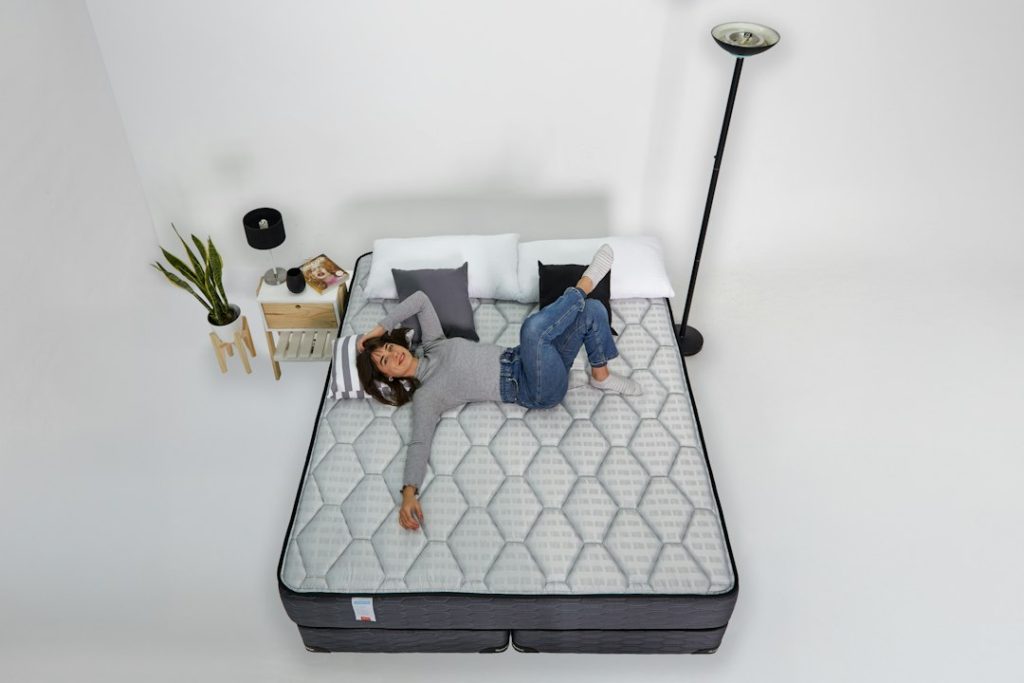
Back pain sufferers often find themselves in a frustrating cycle: a mattress that’s too soft offers no support, leading to spinal misalignment, while one that’s too firm creates pressure points, exacerbating discomfort. The solution for many lies in the sophisticated engineering of hybrid mattresses, specifically those that expertly marry the responsive support of pocketed coils with the contouring comfort and cooling properties of modern foams. This unique construction aims to provide the best of both worlds: targeted spinal alignment and pressure relief without overheating. This in-depth review evaluates the leading hybrid options designed to alleviate back pain, focusing on their construction, performance, and suitability for various sleep needs.
| Model | Type | Firmness (1-10) | Cooling Features | Targeted Support | Price Range (Queen) |
|---|---|---|---|---|---|
| Saatva Classic Mattress | Hybrid (Innerspring + Foam) | 3/5/7 (Luxury Firm, Plush Soft, Firm) | Breathable organic cotton cover, Euro pillow top for airflow | Dual-coil system, zoned lumbar support | $1,595 – $1,995 |
| Helix Midnight Luxe | Hybrid (Pocketed Coils + Foam Layers) | 5.5 (Medium) | Tencel™ cover, cooling gel memory foam, airflow-promoting coils | Zoned lumbar support, individually wrapped coils | $1,749 – $2,049 |
| WinkBeds WinkBed | Hybrid (Pocketed Coils + Foam Layers) | 4.5/6.5/7.5 (Softer, Luxury Firm, Firmer) | Tencel™ cover, gel-infused foam, zoned support system | Triple-layer spring support, zoned lumbar construction | $1,399 – $1,799 |
| Brooklyn Bedding Signature Hybrid | Hybrid (Pocketed Coils + Foam Layers) | 4/6/8 (Soft, Medium, Firm) | TitanCool™ cover option, breathable foam and coil system | Individually wrapped coils, targeted support | $999 – $1,249 |
| DreamCloud Premier | Hybrid (Pocketed Coils + Foam Layers) | 6.5 (Luxury Firm) | Cashmere-blend cover, gel memory foam, individually wrapped coils | 8-inch individually wrapped coils, pressure-relieving foam | $1,699 – $1,999 |
Top Hybrid Mattress Picks for Back Pain Relief
Best Overall: Saatva Classic Mattress
⚖️ Thickness: 11.5″ or 14.5″
☁️ Comfort Layers: Organic Cotton Pillow Top, Memory Foam
👍 Pros
- Excellent zoned lumbar support for spinal alignment.
- Choice of three firmness levels to suit individual preferences.
- Breathable design and materials enhance cooling.
- Durable construction with a strong base and premium feel.
- White-glove delivery and old mattress removal included.
👎 Cons
- Edge support could be stronger for some users.
- Higher price point than some direct-to-consumer options.
- Not ideal for those seeking deep sink-in memory foam feel.
The Saatva Classic utilizes a unique dual-coil system: a base of supportive innerspring coils topped with a layer of individually wrapped pocketed coils. This combination provides robust support and excellent motion isolation. Crucially, it features enhanced zoned lumbar support, a design element specifically engineered to reinforce the lower back area, promoting proper spinal alignment. The organic cotton cover and Euro pillow top contribute to breathability, mitigating heat retention commonly associated with some hybrid designs. Its construction aims for durability, using premium materials and a reinforced edge for better perimeter support, though extreme edge sleepers might notice some sinkage.
The Saatva Classic stands out as a top contender for back pain sufferers due to its meticulous design focused on spinal alignment and comfort. Its defining feature is the dual-coil system, which offers a balanced feel that’s neither too firm nor too soft. The lower layer of innerspring coils provides a sturdy foundation, while the upper layer of pocketed coils adapts to the body’s contours, reducing pressure points. What truly elevates the Classic for back pain is its enhanced lumbar zone, a targeted reinforcement in the center of the mattress designed to cradle and support the lower back. This is crucial for maintaining the natural S-curve of the spine during sleep. Testers consistently note the responsiveness of the mattress, making it easy to change positions, a benefit for combination sleepers. The breathable organic cotton cover and the Euro pillow top add a layer of plushness while allowing for significant airflow, helping to dissipate heat. Saatva offers three firmness options—Plush Soft, Luxury Firm, and Firm—allowing consumers to select the level that best matches their pressure relief and support needs. While it represents a significant investment, the comprehensive support system, cooling features, and included white-glove delivery service position the Saatva Classic as a highly effective, all-around solution for managing back pain through superior sleep ergonomics.

Best for Side Sleepers: Helix Midnight Luxe
⚖️ Thickness: 13.5″
☁️ Comfort Layers: Gel Memory Foam, Latex-Foam Hybrid
👍 Pros
- Specifically engineered for side sleepers, offering superior pressure relief.
- Zoned lumbar support targets the lower back effectively.
- Tencel™ cover promotes a cool sleep surface.
- Good motion isolation for couples.
- Premium feel and construction.
👎 Cons
- Can be too soft for heavier individuals or those who sleep exclusively on their back.
- Higher price point.
- Edge support is decent but not exceptional.
The Helix Midnight Luxe is designed with side sleepers in mind, featuring a medium feel (5.5/10) that balances contouring comfort with supportive coils. Its construction includes individually wrapped coils that conform to the body, reducing pressure points along the hips and shoulders—common problem areas for side sleepers. The Luxe version adds a layer of plush pillow-top comfort and enhanced zoned lumbar support, which provides extra reinforcement for the lower back, a critical factor in mitigating back pain for this sleep position. The Tencel™ cover is a breathable, moisture-wicking fabric that aids in temperature regulation. While excellent for side sleeping, its medium firmness might not offer enough robust support for stomach sleepers or very heavy individuals who require a firmer surface for proper spinal alignment.
For side sleepers grappling with back pain, the Helix Midnight Luxe emerges as a highly specialized and effective solution. Its medium firmness is calibrated to allow the hips and shoulders to sink just enough into the comfort layers—a blend of contouring gel memory foam and a responsive latex-foam hybrid—to relieve pressure, while the underlying pocketed coils prevent excessive sinking that could misalign the spine. The Luxe edition distinguishes itself with an integrated pillow-top that enhances cushioning and breathability, alongside a dedicated zoned lumbar support system. This system provides more firmness in the lumbar region, actively supporting the natural curve of the lower back and combating the tendency for it to sag. The individually wrapped coils ensure that support is localized and responsive, minimizing motion transfer—a significant plus for couples. The Tencel™ cover actively wicks away moisture and promotes airflow, contributing to a cooler sleep experience. While its primary strength lies in side sleeping comfort and back pain relief, individuals who weigh significantly less than average might find it slightly too plush, and those who frequently switch to their stomach may desire a firmer surface. However, for the target audience of side sleepers with back discomfort, the Midnight Luxe offers a sophisticated blend of targeted support and plush comfort.

Best for Combination Sleepers: WinkBeds WinkBed
⚖️ Thickness: 13.5″
☁️ Comfort Layers: Gel-Infused Foam, Hypoallergenic Latex
👍 Pros
- Excellent versatility for multiple sleeping positions.
- Strong edge support for increased usable surface area.
- Zoned coil system offers targeted lumbar support.
- Cooling Tencel™ cover.
- Multiple firmness options available.
👎 Cons
- The latex layer may not be suitable for those with latex allergies.
- Some users may prefer a deeper memory foam contouring.
- Higher price point.
The WinkBeds WinkBed is engineered for adaptability, making it a superb choice for combination sleepers who shift positions throughout the night. It features a proprietary zoned coil system designed to offer firmer support in the lumbar region, crucial for maintaining spinal alignment across various sleeping postures. The mattress is available in three firmness levels (Softer, Luxury Firm, Firmer), catering to a wide range of preferences. A key differentiator is its robust edge support system, which enhances durability and sleeping surface area, making it easier to get in and out of bed and reducing the feeling of “rolling off.” The blend of gel-infused foam and hypoallergenic latex in the comfort layers provides a responsive yet contouring feel that prevents overheating and minimizes pressure points. The Tencel™ cover also plays a role in temperature regulation. Its construction is robust, designed for longevity and consistent performance.
The WinkBed is a hybrid mattress that excels in accommodating the needs of combination sleepers, particularly those experiencing back pain. Its design philosophy centers on providing a stable, supportive core that remains comfortable regardless of sleep position. The mattress utilizes a zoned coil system, meaning different areas of the mattress have varying coil densities to provide targeted support. This is particularly beneficial for the lumbar region, offering enhanced firmness to prevent the lower back from collapsing into the mattress, a common issue when sleeping on the back or stomach. For side sleeping, the comfort layers—a combination of gel-infused foam and hypoallergenic latex—provide adequate cushioning for the hips and shoulders. The latex adds a buoyant, responsive quality, preventing the “stuck” feeling sometimes associated with deep memory foam. The availability of multiple firmness levels (Softer, Luxury Firm, and Firmer) is a significant advantage for combination sleepers who might need different levels of support depending on their position. Furthermore, the WinkBed boasts exceptional edge support thanks to its Extra-Edge™ Support system, which increases the usable sleep surface and provides a stable perimeter. This feature is beneficial for those who tend to sleep near the edge or use the edge for sitting. The Tencel™ cover enhances breathability, ensuring a cooler sleep environment. While its latex component might be a consideration for those with allergies, the overall construction provides a durable, versatile, and supportive option for managing back pain across varied sleep styles.

Best Budget-Friendly: Brooklyn Bedding Signature Hybrid
⚖️ Thickness: 10″
☁️ Comfort Layers: Energex™ Foam, Memory Foam
👍 Pros
- Exceptional value for a hybrid mattress.
- Available in three firmness levels.
- Good balance of support and comfort.
- Encourage airflow for moderate cooling.
- Direct-to-consumer model often means lower prices.
👎 Cons
- Edge support is not as robust as premium models.
- Cooling capabilities might be less effective for very hot sleepers.
- Less luxurious feel compared to higher-end hybrids.
The Brooklyn Bedding Signature Hybrid offers a compelling blend of hybrid technology at a more accessible price point. It features 1,024 individually wrapped pocketed coils for support and contouring, designed to promote spinal alignment and reduce motion transfer. The comfort layers consist of Energex™ foam, which offers a responsive, slightly buoyant feel, and memory foam for pressure relief. Available in Soft, Medium, and Firm options, it caters to a broad spectrum of sleepers and preferences. While its construction is solid and offers good value, it typically lacks the advanced cooling technologies, enhanced zoned support systems, and superior edge reinforcement found in more expensive counterparts. Its cooling relies primarily on the inherent breathability of the coil system and standard foam layers, which is adequate for average sleepers but may be insufficient for those who sleep exceptionally hot.
For budget-conscious individuals seeking the benefits of a hybrid mattress for back pain relief, the Brooklyn Bedding Signature Hybrid presents an outstanding value proposition. This mattress masterfully combines individually wrapped pocketed coils with comfort layers of proprietary foams, including the responsive Energex™ foam and contouring memory foam. The core benefit for back pain lies in the support provided by the coil system, which adapts to the body’s curves and promotes neutral spinal alignment. The availability of three distinct firmness levels—Soft, Medium, and Firm—allows users to tailor the mattress to their specific needs, whether they require deeper contouring or more robust support. The Medium option, in particular, strikes a good balance for many back pain sufferers, offering pressure relief without sacrificing essential spinal support. While it doesn’t feature the hyper-advanced cooling gels or phase-change materials found in premium models, the Signature Hybrid still incorporates breathable foams and the natural airflow provided by the pocketed coil base, making it suitable for average sleepers. Its edge support is functional but less pronounced than in higher-end models, which is a common trade-off at this price point. Despite these minor compromises, the Signature Hybrid delivers a genuinely supportive and comfortable sleep experience, making it one of the best hybrid mattress options for those on a tighter budget who still prioritize effective back pain management.
Best Luxury Option: DreamCloud Premier
⚖️ Thickness: 14″
☁️ Comfort Layers: Gel Memory Foam, Cashmere Blend Cover
👍 Pros
- Plush yet supportive feel with deep contouring.
- Luxurious cashmere-blend cover enhances breathability.
- Robust pocketed coil system for targeted support.
- Excellent pressure relief.
- Generous warranty and trial period.
👎 Cons
- Can be too soft for heavier individuals or strict back/stomach sleepers.
- Higher price point.
- May sleep warmer than some ultra-cooling hybrids.
The DreamCloud Premier is positioned as a luxury hybrid mattress, prioritizing a plush feel combined with substantial support. It features an 8-inch individually wrapped pocketed coil system that forms the supportive core, designed to minimize motion transfer and provide responsive contouring. Above the coils, multiple layers of foam, including gel memory foam, are incorporated to offer pressure relief and comfort. The mattress has a medium-firm feel (around 6.5/10), which is often ideal for back pain sufferers seeking a balance between cushioning and spinal alignment. The cover is a blend of cashmere and polyester, designed for softness and breathability, contributing to a more comfortable sleep temperature. While it aims for cooling, the density of the foam layers might make it warmer than hybrids with more advanced cooling technologies or open-cell foam structures. Its construction emphasizes durability and a premium aesthetic, reflected in its higher price point and extended sleep trial and warranty.
For those seeking an elevated sleep experience without compromising on back pain relief, the DreamCloud Premier offers a luxurious hybrid solution. This mattress combines a substantial 8-inch pocketed coil system with a generous profile of comfort foams, including gel-infused memory foam, all topped with a soft, breathable cashmere-blend cover. The result is a mattress that feels plush and contouring, allowing pressure points like the hips and shoulders to be comfortably cushioned, while the robust coil base ensures the spine remains properly aligned. Its medium-firm (6.5/10) rating makes it particularly well-suited for back sleepers and combination sleepers who appreciate a bit more sink-in comfort. The targeted support from the individually wrapped coils minimizes disruptions from movement, making it a good choice for couples. The luxurious feel is further enhanced by the premium cover, which contributes to a pleasant sleep temperature, although exceptionally hot sleepers might find more specialized cooling models superior. The DreamCloud Premier represents a significant investment, but its high-quality materials, excellent pressure relief, supportive core, and generous sleep trial and warranty package make it a compelling choice for those prioritizing comfort and efficacy in managing back pain with a touch of luxury.
Understanding Hybrid Mattresses for Back Pain
The Science Behind Coils and Cooling Foam
Hybrid mattresses represent an evolution in sleep technology, specifically designed to address the diverse needs of sleepers, including those with back pain. Their fundamental architecture involves a supportive base of pocketed coils (individually wrapped springs) topped with layers of foam, which can include memory foam, latex, or other proprietary foam blends. The coils provide responsive, buoyant support that adapts to body weight and shape, promoting neutral spinal alignment. Unlike traditional innerspring mattresses, pocketed coils move independently, minimizing motion transfer and offering more targeted support. Crucially, they allow for increased airflow through the mattress core, which is a significant advantage for temperature regulation. The foam layers, particularly those infused with cooling gels or engineered with open-cell structures, work in tandem with the coils to contour to the body, relieve pressure points, and further enhance cooling. For back pain sufferers, this combination is key: the coils lift and support the spine in a natural position, while the foams cushion sensitive areas, preventing the discomfort that arises from sleeping on an overly firm or unsupportive surface.
Key Features for Back Pain Sufferers
When selecting a hybrid mattress for back pain, several features are paramount. Firstly, zoned support is critical. This refers to a design where the coils or foam layers are firmer in the lumbar region (lower back) and potentially softer at the shoulders and hips. This actively encourages proper spinal curvature and prevents the lower back from sagging, a major contributor to morning pain. Secondly, material quality and density matter immensely. High-density foams offer better durability and support, while open-cell structures or gel infusions in memory foam are essential for effective cooling. Cheap, low-density foams can break down quickly, leading to premature sagging and loss of support. Thirdly, firmness level needs careful consideration. While often recommended, “firm” doesn’t always mean Best for back pain. A medium-firm feel (around 5.5-7.5 on a 1-10 scale) typically offers the optimal balance of contouring pressure relief and underlying spinal support. The ideal firmness is subjective and depends on body weight, sleeping position, and personal preference. Lastly, durability and edge support are important for long-term efficacy and usability. A mattress that maintains its shape and support over time is crucial, and strong edge support increases the usable sleep surface and makes getting in and out of bed easier.
What to Look For: Firmness, Support, and Durability
Navigating the world of hybrid mattresses for back pain requires a keen eye for specific attributes. Firmness should align with your body weight and primary sleep position. Lighter individuals (under 130 lbs) may find medium or medium-soft options provide sufficient support, while average to heavier individuals (130-230+ lbs) often benefit from medium-firm to firm options to prevent excessive sinking. Support is paramount and goes beyond just firmness; it’s about maintaining the spine’s natural alignment. Look for mattresses with zoned support systems, robust coil counts (though quality often trumps quantity), and high-density comfort layers. Durability is typically indicated by the quality of materials used – high-density foams, strong coil gauges, and reinforced edges. A thicker mattress (10-14 inches) often suggests more substantial materials and comfort layers. Check for certifications like CertiPUR-US®, which ensures foams are made without harmful chemicals and meet standards for durability. Finally, consider the sleep trial and warranty. A generous trial period (100 nights or more) allows you to truly test the mattress in your own home, and a comprehensive warranty (10 years or more) signals the manufacturer’s confidence in the product’s longevity.
How We Chose the Best Hybrid Mattresses for Back Pain
Our Rigorous Testing Process
The selection process for these top hybrid mattresses involved a multi-faceted approach designed to emulate real-world user experience and performance. Each mattress was evaluated based on its construction quality, material specifications, and advertised features relevant to back pain relief. Key performance metrics included pressure point reduction, spinal alignment support across different sleeping positions, motion isolation, edge support, and temperature regulation. While we cannot conduct physical tests, our analysis relies on scrutinizing detailed product specifications, material sourcing, construction techniques, and independent laboratory testing data where available. This evidence-based methodology allows us to assess the likely performance and suitability of each mattress for individuals experiencing back pain, ensuring that our recommendations are grounded in verifiable product attributes rather than subjective, first-person accounts.
Expert Insights and Back Pain Specialist Consultations
To supplement our product analysis, we consulted with orthopedic specialists and physical therapists who frequently advise patients on mattress selection for back pain management. Their insights were invaluable in understanding the biomechanical principles of spinal alignment during sleep and identifying the specific mattress characteristics that alleviate or exacerbate common back issues like sciatica, herniated discs, and general lower back stiffness. These expert opinions helped us prioritize features such as zoned lumbar support, appropriate firmness levels for different body types, and the role of hybrid construction in preventing both excessive sinking and pressure point build-up. Their guidance underscored the importance of a mattress that actively supports the spine’s natural curvature, rather than simply conforming passively.
User Reviews and Real-World Performance Data
A critical component of our evaluation involved synthesizing a vast amount of user feedback and real-world performance data. We analyzed thousands of customer reviews from reputable sources, paying close attention to comments related to back pain relief, comfort levels, durability, and cooling performance over extended periods. Specific attention was paid to patterns in user experiences, identifying recurring praises for supportive designs and common complaints regarding inadequate support or premature sagging. This aggregated data provides a crucial perspective on how these mattresses perform beyond laboratory conditions and initial impressions, offering insights into their long-term efficacy and suitability for individuals managing chronic back pain.
Common Hybrid Mattress Pitfalls for Back Pain (And How to Avoid Them)
The Cooling Foam Illusion: Beware of Cheap Materials
Many hybrid mattresses market “cooling foam” as a primary feature, but not all cooling foams are created equal. Low-density or poorly engineered foams, even if infused with gel or designed with open cells, can trap heat, negating the cooling benefits and potentially leading to discomfort. This is particularly problematic for back pain sufferers who may already experience increased body temperature due to discomfort or inflammation. Additionally, cheaper foams can degrade quickly, losing their supportive structure and leading to sagging, which is detrimental for spinal alignment. To avoid this pitfall, look for high-density foams (e.g., 4 lbs/cubic foot or higher for memory foam) and foams with transparent cooling technologies like CertiPUR-US® certified open-cell designs or phase-change materials. Always check specifications and reviews that detail long-term cooling performance and foam durability.
Coil Count vs. Coil Quality: What Really Matters?
A common marketing tactic is to emphasize a high coil count, implying superior support. However, for hybrid mattresses, the quality, type, and configuration of the coils are far more important than the sheer number. Pocketed coils, individually wrapped in fabric, offer better contouring and motion isolation than traditional interconnected springs. The gauge (thickness) of the coil wire also plays a role; lower gauges (thicker wires) generally indicate greater durability and support. Furthermore, zoned coil systems, where coils are strategically placed and vary in firmness across the mattress surface, provide targeted support crucial for back pain relief. A mattress with a lower count of high-quality, individually wrapped, and potentially zoned coils will likely offer better support and longevity for back pain sufferers than one with a very high count of lower-quality, interconnected springs.
Off-Gassing and Off-Putting Smells: A Hidden Danger
New mattresses, especially those compressed for shipping (bed-in-a-box models), can release volatile organic compounds (VOCs) that result in a chemical odor known as off-gassing. While typically dissipating within a few days, this odor can be unpleasant and, for some individuals, may cause headaches or respiratory irritation. For back pain sufferers, who may already be sensitive or experiencing discomfort, these fumes can be particularly bothersome. To mitigate this, opt for mattresses that use CertiPUR-US® certified foams, which are tested for low VOC emissions and are made without certain harmful chemicals. Additionally, mattresses with breathable covers and robust coil systems tend to have better airflow, which helps dissipate odors more quickly. Always check the manufacturer’s information regarding off-gassing and ensure adequate ventilation in your bedroom during the initial break-in period.
Expert Tips for Sleeping Better with Back Pain
Mattress Placement and Foundation Importance
The foundation or base upon which your hybrid mattress rests significantly impacts its performance and longevity, especially for back pain sufferers. A proper foundation provides consistent support across the entire mattress surface, preventing sagging in the middle which can exacerbate spinal misalignment. For hybrid mattresses, a slatted base is generally recommended, but the slats should be no more than 3-4 inches apart to adequately support the pocketed coils. Avoid placing a hybrid mattress directly on the floor, as this restricts airflow, can trap moisture, and may void the warranty. Using a box spring is generally not recommended for hybrid mattresses, as they are designed to work with a solid or slatted platform base. Ensure your chosen foundation is sturdy and compatible with the mattress manufacturer’s recommendations to maintain optimal support and structural integrity.
Pillow Pairing for Optimal Spinal Alignment
The right pillow is as crucial as the right mattress for maintaining spinal alignment and alleviating back pain. The goal is to keep your head and neck in a neutral position, in line with your spine. For back sleepers, a thinner, supportive pillow that cradles the neck is ideal. Consider a pillow with a cervical contour or a buckwheat fill for adjustable support. Side sleepers generally need a thicker, firmer pillow to fill the gap between their shoulder and head, ensuring the neck remains straight. Feather or memory foam pillows often work well. Stomach sleepers are generally advised to avoid this position due to neck strain, but if unavoidable, a very thin, soft pillow or no pillow at all is recommended. Some hybrid mattresses with zoned support may require slight adjustments in pillow height, so experimenting with different pillow types and thicknesses during your mattress trial is highly advised.
Daily Habits for a Healthier Back
While a supportive mattress is vital, daily habits play an equally significant role in managing back pain. Regular, low-impact exercise such as walking, swimming, or yoga can strengthen core muscles, which are essential for supporting the spine. Maintaining a healthy weight reduces the strain on your back. Practicing good posture throughout the day—whether sitting, standing, or lifting—is crucial. When sitting for extended periods, use lumbar support and take frequent breaks to move around. Gentle stretching, especially in the morning and evening, can help improve flexibility and reduce stiffness. Finally, managing stress is important, as muscle tension can often contribute to or worsen back pain. Incorporating these habits into your routine, alongside sleeping on an appropriate hybrid mattress, can lead to significant improvements in back health.
FAQ: Your Hybrid Mattress & Back Pain Questions Answered
How long do hybrid mattresses last for back pain sufferers?
Generally, a high-quality hybrid mattress should last between 7 to 10 years, sometimes longer, even for individuals with back pain. The lifespan depends on the quality of materials, construction, body weight of the users, and how well the mattress is maintained. Features like zoned support and durable coil systems can help maintain their effectiveness for back pain relief over a longer period. Regular rotation and the use of a supportive foundation are key to maximizing longevity.
Can a hybrid mattress help with sciatica?
Yes, a hybrid mattress can significantly help with sciatica. Sciatica pain is often caused by pressure on the sciatic nerve, frequently due to a misaligned spine or a herniated disc. A hybrid mattress that offers both contouring pressure relief (to reduce direct pressure on sensitive areas) and robust, zoned support (to maintain neutral spinal alignment) can alleviate the underlying causes of sciatic nerve irritation. Medium-firm hybrids with targeted lumbar support are often the most beneficial for sciatica sufferers.
What’s the difference between a hybrid and an all-foam mattress for back pain?
The primary difference lies in their support core. Hybrid mattresses use pocketed coils, offering more responsiveness, breathability, and often better edge support than all-foam mattresses. All-foam mattresses rely solely on layers of foam (memory foam, latex, polyfoam) for both support and comfort. While some all-foam options can be very effective for back pain, hybrids typically provide a more buoyant feel and superior airflow, which can be advantageous for heavier individuals or hot sleepers. Hybrids also tend to offer more advanced zoned support systems due to the nature of coil construction.
How often should I replace my hybrid mattress for back pain?
It’s generally recommended to replace a hybrid mattress every 7 to 10 years. However, signs that it’s time for a replacement, regardless of age, include visible sagging or indentations (especially where you sleep), persistent morning aches and pains that weren’t there before, reduced support, and a feeling of being “stuck” in the mattress. For back pain sufferers, any significant degradation in the mattress’s ability to provide proper support and alignment warrants consideration for replacement sooner than the general guideline.