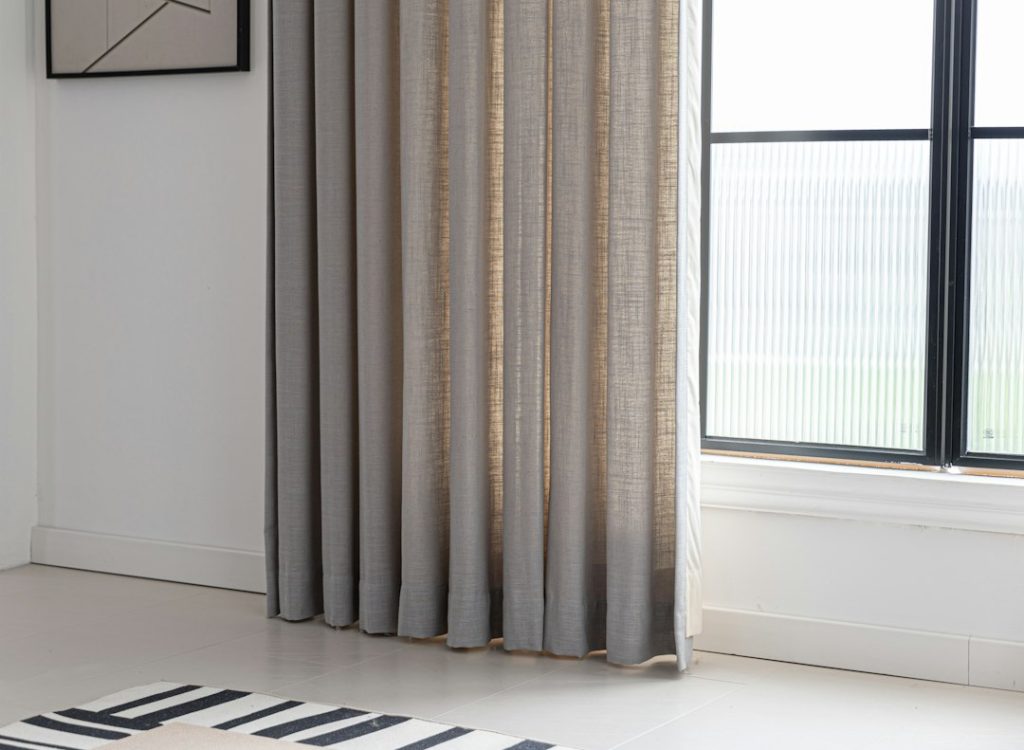
Selecting the right window treatments can dramatically influence your home’s comfort and utility bills. For years, homeowners have debated the merits of blackout curtains versus light filtering options, particularly concerning their impact on bedroom privacy and energy efficiency. This in-depth comparison cuts through the marketing jargon to provide a clear, data-driven analysis for 2026, helping you make an informed decision.
Quick Comparison: Blackout vs. Light Filtering Curtains
Key Differences at a Glance
The fundamental distinction lies in their light-blocking capabilities and fabric density. Blackout curtains are engineered to block virtually all incoming light, achieving near-total darkness. Light filtering curtains, conversely, allow a significant portion of natural light to pass through, softening it rather than blocking it entirely. This core difference dictates their performance in privacy and energy efficiency.
Defining Blackout Curtains
Blackout curtains typically feature multiple dense layers, often including a tightly woven fabric coupled with a thermal lining or a specialized blackout coating. This construction is designed to absorb and block light waves, preventing them from penetrating the room. They are the go-to choice for individuals prioritizing complete darkness for sleep or media rooms.
Defining Light Filtering Curtains
Light filtering curtains are made from fabrics that are less dense than those used for blackout curtains. Materials like linen, cotton blends, or sheer weaves are common. While they diffuse and soften natural light, they do not prevent it from entering the room. They offer a balance, reducing glare while maintaining a degree of natural illumination and outward visibility.
Impact on Bedroom Privacy: Which Offers Superior Concealment?
Blackout Curtains: Total Darkness and Privacy
When it comes to absolute privacy, blackout curtains are unrivaled. Their opaque nature ensures that no light from inside the room escapes, and crucially, no external light or visibility penetrates. This provides a complete sense of seclusion, essential for shift workers, light-sensitive sleepers, or anyone who values undisturbed darkness. From the outside, even in broad daylight, the windows covered by blackout curtains appear solid and unrevealing.

Light Filtering Curtains: Balancing Light and Privacy
Light filtering curtains offer a different approach to privacy. They obscure direct views into the room while still allowing ambient light to filter through. This means that while someone outside might not be able to clearly see the details within your room, shapes and movement can still be discernible, especially at night when interior lights are on. They are suitable for spaces where complete obscurity isn’t the primary concern, such as living rooms or dining areas where a softer, diffused light is desirable.
Real-World Privacy Test Scenarios
Imagine a busy street at night. With blackout curtains drawn, your room is a dark void from the outside. A passerby would see nothing. With light filtering curtains, the interior would appear as a softly illuminated space, with vague shapes visible but distinct details obscured. During the day, blackout curtains block all views in or out, offering a secure, private environment. Light filtering curtains would obscure direct line-of-sight but still allow a perception of activity within the room, depending on the fabric’s density.
Energy Efficiency Showdown: Which Curtains Save More on Utility Bills?
Blackout Curtains: Maximizing Insulation
Blackout curtains excel at energy efficiency due to their dense construction. They act as a significant barrier against heat transfer, both in summer and winter. The thick, often multi-layered fabric helps to prevent solar heat gain during hot months and reduces heat loss during colder months. This insulation effect can lead to noticeable savings on air conditioning and heating costs.
Summer Heat Blocking Performance
During summer, blackout curtains can block up to 99% of solar radiation from entering through windows. By preventing the sun’s heat from permeating the room, they reduce the workload on your air conditioning system, potentially lowering cooling costs by 10-25% during peak summer periods, according to various energy efficiency studies.
Winter Heat Retention Performance
In winter, blackout curtains act as an insulating layer, trapping warm air inside and preventing cold drafts from seeping in. They can reduce heat loss by up to 25% during the coldest months, keeping your home warmer and reducing reliance on your heating system. This dual functionality makes them a powerful tool for year-round energy savings.

Light Filtering Curtains: Moderate Thermal Benefits
While not as potent as blackout curtains, light filtering options do offer some energy-saving benefits. Their ability to moderate light can indirectly affect room temperature, and some are designed with thermal properties.
Summer Heat Management
Light filtering curtains can help reduce direct solar glare and slightly moderate indoor temperatures. They can diffuse harsh sunlight, making a room feel cooler than if uncovered, but they do not block the heat as effectively as blackout curtains. The benefit is more about comfort than significant energy reduction.
Winter Heat Conservation
Similarly, in winter, they can provide a minor insulating effect against cold window panes. However, their lighter construction means they are less effective at trapping heat compared to their blackout counterparts. The energy savings are generally modest.
Quantifying Energy Savings: Data & Projections for 2026
| Feature | Blackout Curtains | Light Filtering Curtains |
|---|---|---|
| Summer Heat Blocking | Excellent (up to 99% solar radiation reduction) | Moderate (diffuses glare, slight temp moderation) |
| Winter Heat Retention | Excellent (up to 25% heat loss reduction) | Moderate (minor insulating effect) |
| Estimated Annual Energy Savings (Cooling) | 10-25% | 0-5% |
| Estimated Annual Energy Savings (Heating) | 10-25% | 0-5% |
| Primary Function | Total light blocking, privacy, insulation | Light diffusion, ambiance, moderate privacy |
Projections for 2026 indicate that homeowners prioritizing energy efficiency will continue to see the most substantial benefits from blackout curtains. While light filtering curtains offer some advantage, the difference in potential savings is significant, especially in regions with extreme summer or winter climates.
Beyond Privacy & Energy: Other Factors to Consider
Light Control and Ambiance
The choice hinges on the desired atmosphere. Blackout curtains create a dark, serene environment, perfect for bedrooms or home theaters. Light filtering curtains provide a softer, diffused light, enhancing the ambiance of living areas, dining rooms, or kitchens, reducing harsh glare while maintaining a connection to the outdoors.

Material, Durability, and Maintenance
Both types come in various materials. Blackout curtains often use polyester, microfiber, or blends with acrylic backings. Light filtering curtains can be linen, cotton, polyester, or sheer fabrics. Durability varies by quality and material. Maintenance typically involves regular dusting and occasional gentle machine washing or dry cleaning, depending on the fabric care instructions.
Style and Design Compatibility
Blackout curtains are available in a wide array of colors and patterns, though their thickness can sometimes affect drape. Light filtering curtains, especially those made from natural fibers like linen, often offer a more artisanal or delicate aesthetic. Both can complement various interior design styles, from modern minimalist to rustic farmhouse.
Cost-Benefit Analysis: Investment vs. Return
Blackout curtains can sometimes be more expensive upfront due to their complex construction. However, their superior performance in privacy and energy savings often leads to a better long-term return on investment through reduced utility bills and enhanced comfort. Light filtering curtains are generally more affordable but offer more limited functional benefits.
Expert Recommendations for Different Needs
Best Blackout Curtains for Ultimate Darkness & Energy Savings
Top Pick: Nicetown Brand Thermal Lined Curtains
Renowned for their exceptional room-darkening capabilities and effective thermal insulation, Nicetown curtains are a robust choice. They typically feature a triple-weave construction that achieves near-perfect light blockage and significant energy savings. Their durability and range of colors make them a versatile option.
👍 Pros
- Near-total light blockage
- Excellent thermal insulation
- Durable construction
- Wide color selection
👎 Cons
- Can be heavier than standard curtains
- May require more robust hardware
Runner-Up: Deconovo Room Darkening Curtains
Deconovo offers a more budget-friendly blackout option that still delivers impressive performance. These curtains effectively block light and provide a good level of insulation, making them a solid choice for bedrooms and media rooms without breaking the bank.
👍 Pros
- Effective light blocking
- Good value for money
- Available in many sizes and colors
👎 Cons
- Slightly less dense than premium options
- Thermal performance may vary slightly
Best Light Filtering Curtains for Balanced Light & Privacy
Top Pick: Pottery Barn Weaver Linen Curtains
These curtains offer a beautiful, natural aesthetic combined with effective light diffusion. Made from high-quality linen, they soften incoming light, reduce glare, and provide a good level of daytime privacy without making a room feel dim. They drape beautifully and add a touch of elegance.
👍 Pros
- Elegant, natural look
- Soft, diffused light
- Good daytime privacy
- High-quality material
👎 Cons
- More expensive than synthetic options
- Can wrinkle more easily
- Less effective for complete darkness or heavy insulation

Runner-Up: IKEA HILJA Sheer Curtains
For an extremely budget-conscious and minimalist approach, IKEA’s HILJA sheer curtains are a popular choice. They offer the lightest level of filtering, mainly reducing harsh glare while allowing maximum light and visibility. They are ideal for layering or spaces where privacy is minimal concern.
👍 Pros
- Very affordable
- Lightweight and airy
- Allows maximum natural light
- Simple, minimalist design
👎 Cons
- Minimal privacy
- Offer almost no thermal insulation
- Very sheer, not suitable for all rooms
Choosing for Specific Rooms (Bedroom, Living Room, Nursery)
Bedrooms: Blackout curtains are generally recommended for optimal sleep, especially for light sleepers, children, or shift workers. If darkness is paramount, opt for blackout.
Living Rooms: Light filtering curtains are often preferred to maintain a bright, welcoming atmosphere while reducing glare. If you watch movies frequently or prefer a dimmer ambiance, blackout curtains can also work.
Nurseries: Blackout curtains are highly beneficial for establishing consistent sleep schedules for infants. The complete darkness aids in melatonin production.
Installation Tips for Maximum Effectiveness
For both types, proper installation is key. Ensure curtains are wider than the window frame (ideally 1.5-2 times the width) to allow for full coverage when closed. Hanging curtains higher and wider than the window frame can maximize light blocking and insulation by creating a seal around the glass. Using a double curtain rod allows for layering sheers with heavier drapes for versatile light control.
Common Questions About Blackout and Light Filtering Curtains Answered (2026)
Do blackout curtains make a room completely dark?
High-quality blackout curtains block up to 99% of light. However, minor light leakage can occur around the edges, especially if not installed perfectly or if the window frame has imperfections. For near-absolute darkness, consider wrap-around rods or side channels.
Can light filtering curtains block UV rays?
Some light filtering curtains offer UV protection, often indicated by the manufacturer. While they diffuse light, they may not block all harmful UV rays unless specifically treated or made from UV-blocking materials. Blackout curtains generally offer better UV protection due to their dense construction.
Which type is better for noise reduction?
Thicker, denser fabrics provide better sound dampening. Blackout curtains, with their multiple layers and heavier material, tend to offer superior noise reduction compared to lighter-weight light filtering curtains. The effectiveness varies greatly with the specific fabric and construction.
How do I measure for the right curtain size?
Measure the width of your window frame and multiply by 1.5 to 2 for adequate fullness. For length, measure from the rod or hanging point to where you want the curtain to end (e.g., just above the floor, to the sill, or below the sill). Always account for any hardware like rings or hooks.
👑 Ultimate Winner: Blackout Curtains
For homeowners prioritizing both maximum bedroom privacy and significant energy savings, blackout curtains emerge as the superior choice in 2026. Their unparalleled ability to block light and insulate against temperature extremes offers tangible benefits for comfort and utility costs. While light filtering curtains provide a softer aesthetic and moderate light control, they cannot match the comprehensive performance of blackout curtains in the critical areas of privacy and energy efficiency. Therefore, for spaces where darkness and insulation are key objectives, such as bedrooms, nurseries, or media rooms, blackout curtains are the definitive recommendation.