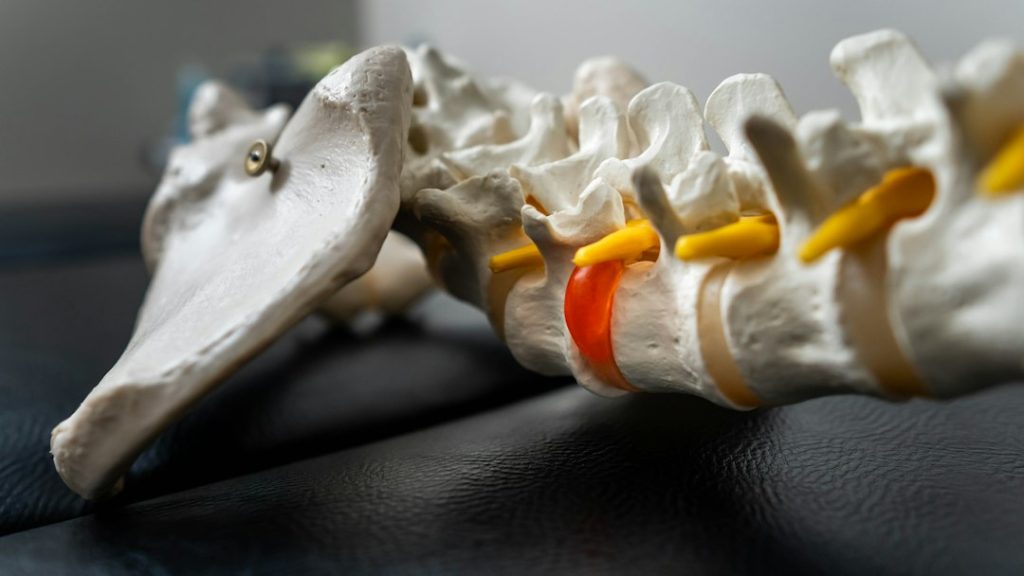
The quest for a perfect night’s sleep often hinges on the mattress beneath you, especially when considering the intricate needs of your lumbar spine. For back and side sleepers, the firmness level isn’t just about comfort; it’s a critical factor in maintaining proper spinal alignment and preventing or alleviating back pain. This article dives deep into the nuances between firm and medium-firm mattresses, dissecting their impact on lumbar support for these specific sleep positions.
The Lumbar Spine Dilemma: Why Mattress Firmness Matters for Sleepers
Our lumbar spine, the lower curve of the back, is a complex structure designed to bear weight and facilitate movement. When we sleep, maintaining its natural S-curve is paramount. An improperly supportive mattress can disrupt this alignment, leading to strain, discomfort, and long-term issues. The choice between firm and medium-firm is often the central decision point, as each offers a distinct approach to supporting this crucial part of our anatomy.
Understanding Lumbar Spine Alignment
Proper lumbar alignment during sleep means the spine rests in a neutral, natural position, devoid of excessive sagging or unnatural curving. For back sleepers, this typically involves a slight, gentle curve that supports the lower back without allowing it to sink too deeply. For side sleepers, the goal is to maintain this neutral alignment while also accommodating the wider surface area of the hips and shoulders, preventing them from sinking too far and causing the spine to bow out of line.

Back Sleepers: The Crucial Support Needs
Back sleepers need a mattress that offers substantial support to the natural curve of their lower back. Without adequate support, the hips can sink too deeply, forcing the lumbar spine into an exaggerated, unsupported arch, which can lead to stiffness and pain. A mattress that is too soft fails to keep the spine aligned, while one that is excessively firm might create uncomfortable pressure points without contouring to the body’s natural shape.
Side Sleepers: Cushioning the Curve, Supporting the Spine
Side sleepers face a unique challenge: their mattress must be soft enough to cushion the prominent points of the hips and shoulders, allowing them to sink in slightly and maintain spinal alignment. However, it also needs to be firm enough to support the waist and prevent the torso from sagging. If a mattress is too firm, it will create undue pressure on the hips and shoulders, leading to discomfort and potential nerve impingement. If it’s too soft, the spine will lack the necessary support and can fall out of alignment, leading to pain in the lower back or even the neck.
Firm Mattress Deep Dive: Pros, Cons, and Lumbar Support
A firm mattress is generally characterized by its resistance to pressure and minimal contouring. It aims to provide a stable, even surface that keeps the body on top of the mattress rather than sinking into it. This characteristic can be highly beneficial for certain individuals and sleeping positions.
When a Firm Mattress is King for Lumbar Alignment
For many back sleepers, particularly those who are heavier-set or have a pronounced natural lumbar curve, a firm mattress can be ideal. It prevents the hips from sinking excessively, which is a primary cause of misalignment for this group. The solid, unwavering support helps maintain the spine’s natural S-shape, reducing strain. Some side sleepers, especially those with broader frames or who prefer sleeping on the edge of the mattress, might also find a firm surface provides adequate support, provided it has some minimal give to avoid immediate pressure points.
Potential Pitfalls: The Risks of Going Too Firm
The most significant drawback of a firm mattress, especially for side sleepers, is the potential for pressure point buildup. Without sufficient cushioning, the hips and shoulders bear the brunt of the body’s weight, leading to discomfort, numbness, and even pain. For lighter individuals, a firm mattress might not allow enough sinkage for the body to settle into an aligned position, effectively pushing the spine into an unnatural curve. This can also exacerbate existing back conditions if not chosen carefully.
Top Firm Mattresses for Lumbar Spine Health (2026)
When selecting a firm mattress for lumbar support, look for models that, despite their firmness, incorporate responsive comfort layers. These might include advanced innerspring systems with targeted support zones or high-density polyfoam comfort layers that offer a degree of pressure relief. Brands known for their robust support and durability often include Saatva (Classic – Firm option), WinkBeds (Luxury Firm), and Titan (Pro/Hybrid – Firm options). These often feature substantial coil counts and reinforced edge support.
Medium-Firm Mattress Exploration: The Balanced Approach
A medium-firm mattress strikes a balance between support and comfort. It offers enough give to allow for some contouring and pressure relief while still providing the essential support needed to keep the spine aligned. This versatility makes it a popular choice for a wide range of sleepers.
The Sweet Spot: How Medium-Firm Delivers on Lumbar Support
For side sleepers, a medium-firm mattress is often considered the “sweet spot.” It allows the hips and shoulders to sink in just enough to alleviate pressure, while the underlying support system prevents the waist from sagging. This balance helps maintain the natural curve of the lumbar spine. Back sleepers who don’t require extreme firmness, or those who are lighter in weight, also often find medium-firm mattresses provide excellent lumbar support, offering both comfort and alignment without feeling too hard.
When Medium-Firm Falls Short
While versatile, a medium-firm mattress might not be sufficient for individuals who need maximum support. Very heavy individuals, particularly back sleepers, might find that their weight causes them to sink too deeply into a medium-firm surface, negating the intended support and leading to poor spinal alignment. Conversely, some very lightweight individuals might not compress a medium-firm mattress enough to experience its contouring benefits, finding it still a bit too resistant and potentially leading to pressure points on their hips and shoulders if they sleep on their side.
Premier Medium-Firm Mattresses for Spinal Alignment (2026)
Top-tier medium-firm options frequently utilize a combination of supportive base layers (like pocketed coils or dense foam) and pressure-relieving comfort layers (such as memory foam, latex, or softer foams). Brands that excel in this category often include Helix (Midnight Luxe), Casper (Original), and Leesa (Original). These mattresses are engineered to adapt to different body types and sleeping positions, offering a harmonious blend of cradling comfort and buoyant support.
Head-to-Head: Firm vs. Medium-Firm for Back and Side Sleepers
The direct comparison between firm and medium-firm mattresses reveals distinct advantages and disadvantages for back and side sleepers, particularly concerning lumbar spine health.
Direct Comparison: Lumbar Support Effectiveness
For back sleepers, a firm mattress generally offers superior structural support, preventing excessive hip sinkage and maintaining a neutral lumbar curve. Medium-firm is also effective, especially for lighter individuals, but may allow for slightly more compression. For side sleepers, medium-firm typically wins by providing a crucial balance: it cushions the hips and shoulders while supporting the waist to keep the lumbar spine aligned. Firm mattresses can be too unyielding, potentially misaligning the spine if pressure points aren’t managed.
Pressure Point Relief: Back Sleepers’ Verdict
Back sleepers on a firm mattress might experience pressure points at the lower back or tailbone if the mattress is too hard and lacks any contouring. A well-designed firm mattress with targeted support zones can mitigate this. Medium-firm mattresses generally offer better initial pressure relief for back sleepers due to their slight give, making them more comfortable for longer durations without needing constant repositioning.
Hip and Shoulder Comfort: Side Sleepers’ Experience
This is where medium-firm mattresses significantly outperform firm ones for side sleepers. The contouring ability of medium-firm surfaces allows the hips and shoulders to sink in, relieving pressure and enabling the spine to remain straight. Firm mattresses, by contrast, can create substantial pressure on these points, leading to discomfort, numbness, and disrupted sleep.
Heat Retention and Motion Transfer: Key Differentiators
Firm mattresses, especially those with dense foam or traditional innerspring systems, often sleep cooler as they don’t allow for deep body immersion, promoting better airflow. However, traditional innerspring firm mattresses can transfer more motion. Medium-firm mattresses, particularly those with memory foam comfort layers, can sometimes trap more heat due to the body conforming closely to the material. However, modern medium-firm hybrids and latex models often incorporate advanced cooling technologies and pocketed coils that minimize motion transfer effectively.
| Feature | Firm Mattress | Medium-Firm Mattress |
|---|---|---|
| Lumbar Support (Back Sleepers) | Excellent, prevents hip sag | Very Good, suitable for most |
| Lumbar Support (Side Sleepers) | Potentially poor, risk of misalignment | Excellent, balances contouring and support |
| Pressure Point Relief (Side Sleepers) | Poor, high risk on hips/shoulders | Good to Excellent |
| Ideal Body Weight | Average to Heavy | Light to Average |
| Heat Retention | Generally Cooler | Can vary, some models sleep warmer |
| Motion Transfer | Can be high (innerspring), low (dense foam) | Generally Low (hybrids/foam) |
| Price Range (Est.) | $700 – $1,800 | $800 – $2,000 |
Beyond Firmness: Factors Crucial for Lumbar Spine Alignment
While firmness is a primary consideration, several other factors significantly influence a mattress’s ability to support the lumbar spine and ensure quality sleep.
Material Matters: Memory Foam, Innerspring, Hybrid, and Latex
The core materials of a mattress play a vital role in its support, contouring, and durability. Memory foam excels at pressure relief and contouring but can sometimes sleep hot and feel too enveloping for those needing robust support. Innerspring mattresses offer strong support and breathability but can lack contouring and transfer motion. Hybrid mattresses combine the benefits of both, typically featuring an innerspring core with foam or latex comfort layers, offering a balanced feel. Latex provides responsive, buoyant support with natural cooling properties and durability, though it can be pricier.
Edge Support and Durability: Long-Term Spinal Health
Good edge support is crucial, especially for those who sleep near the edge of the bed or use the edge to sit. It prevents the mattress from sagging and provides a stable surface. For lumbar health, a mattress needs to maintain its supportive qualities over time. Durable materials and construction methods ensure that the mattress won’t break down, leading to sagging that compromises spinal alignment and comfort.
Trial Periods and Warranties: Protecting Your Investment
Because mattress firmness is subjective and its impact on your body can take time to assess, generous trial periods (often 100 nights or more) are invaluable. They allow you to test the mattress in your own home, ensuring it provides the necessary lumbar support and comfort for your specific needs. Robust warranties (10 years or more) indicate the manufacturer’s confidence in the product’s durability and their commitment to protecting your investment in spinal health.
Expert Recommendations: Choosing Your Ideal Mattress Firmness
Navigating the world of mattress firmness can be complex. Expert advice often centers on body weight, primary sleeping position, and any existing pain points.
Quick Guide: Are You a Back or Side Sleeper?
Back Sleepers: Generally benefit from mattresses that are medium-firm to firm. The key is preventing the lower back from sinking too deeply. If you’re lighter (under 130 lbs), a medium-firm might suffice. If you’re average (130-230 lbs), a medium-firm or firm could work. For heavier individuals (over 230 lbs), a firm or extra-firm mattress is often recommended for adequate support.
Side Sleepers: Typically require mattresses that are soft to medium-firm. The primary goal is to cushion the hips and shoulders while supporting the waist. Lighter side sleepers often prefer softer mattresses (soft to medium), while average to heavier side sleepers may find medium or medium-firm options provide the best balance of contouring and support without bottoming out.
The Final Verdict: Which Firmness Reigns Supreme for You?
👑 Ultimate Winner: Medium-Firm Mattress for Most Back & Side Sleepers
While a firm mattress can be excellent for specific back sleepers, the medium-firm category offers the most versatile and consistently beneficial support for the lumbar spine for the broadest range of individuals, especially when considering both back and side sleepers. Its ability to balance pressure relief on hips and shoulders with crucial lumbar support makes it the safer, more adaptable choice for preventing pain and promoting healthy spinal alignment. For side sleepers, it’s almost invariably the superior option. For back sleepers, it provides sufficient support for many, while those needing extreme firmness might need to look at firmer options, but medium-firm remains the best all-around recommendation.