🧰 Tools & Gear You’ll Need
- Slanted tiered spice organizer
- Measuring tape
- Pencil or marker
- Cleaning supplies (cloth, all-purpose cleaner)
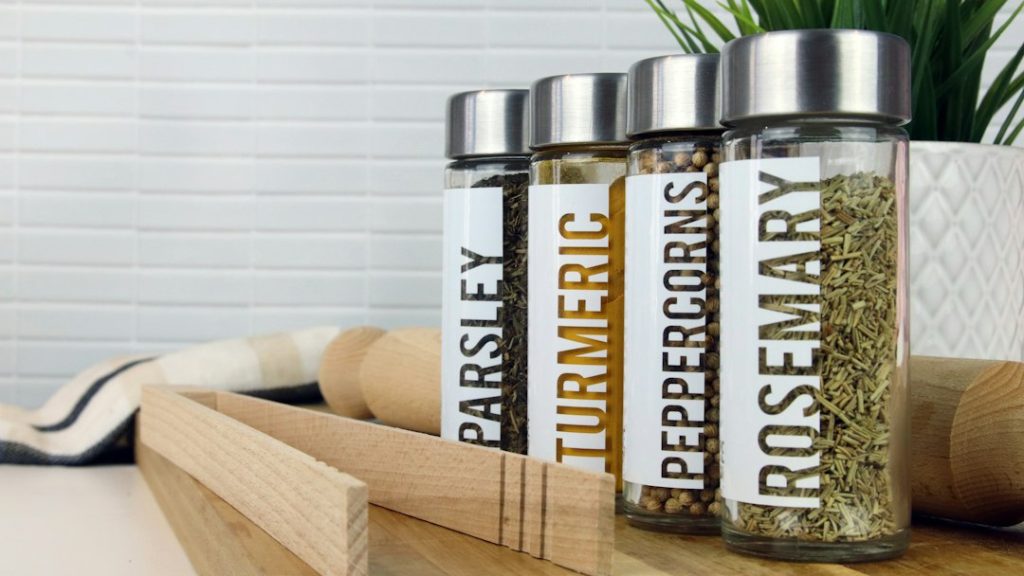
- Optional: Spice jars for decanting
- Optional: Label maker or printer
- Optional: Craft knife or scissors
- Assorted spices
The spice drawer. For some, it’s a neatly organized haven of culinary potential. For others, it’s a dark abyss where lost paprika goes to die, and finding the right herb feels like an archaeological dig. If your spice drawer leans more towards chaos than calm, you’re not alone. But what if transforming this daily frustration into a source of kitchen joy was simpler than you imagined? Forget expensive overhauls; the secret lies in two humble heroes: slanted tiered organizers and custom labels. This guide will walk you through, step-by-step, turning your jumbled drawer into a model of efficiency and style.
Why Your Spice Drawer Needs an Overhaul: The Chaos Factor
Let’s be honest. A disorganized spice drawer isn’t just unsightly; it’s a productivity killer. How many times have you bought duplicate spices because you couldn’t find the one you already owned? Or worse, how often have you settled for a less flavorful dish because the right spice was buried deep, shrouded in a jungle of jars? The “chaos factor” is real. It stems from:
- Lack of Visibility: Jars lined up in rows mean the back ones are always hidden.
- Inconsistent Packaging: A mix of tall, short, wide, and narrow containers makes efficient stacking impossible.
- Faded or Missing Labels: Relying on memory or squinting at tiny print is a recipe for disaster.
- Expired Spices: Without a clear system, it’s hard to track freshness, leading to wasted space and flavor.
This disarray doesn’t just affect your cooking efficiency; it can subtly increase your grocery bills and decrease your overall enjoyment in the kitchen. It’s time to reclaim that space and bring order to your spice collection.
The Power Duo: Slanted Tiered Organizers & Custom Labels
Enter the dynamic duo: slanted tiered organizers and custom labels. They work in tandem to solve the core problems of spice drawer disarray. The slanted tiers ensure every jar is visible at a glance, while custom labels provide instant identification. This combination transforms a cluttered drawer into an intuitive, efficient system.
Choosing the Right Slanted Tiered Organizer: Beyond the Basics
Not all tiered organizers are created equal. Selecting the right one involves considering a few key factors to ensure it fits your space and your spices perfectly.
Material Matters: Acrylic vs. Wood vs. Metal
The material impacts durability, aesthetics, and price.
- Acrylic: Lightweight, often transparent (making it look less cluttered), and easy to clean. However, it can scratch over time and may feel less premium. Look for thicker, high-quality acrylic to avoid brittleness.
- Wood: Offers a warmer, natural aesthetic that complements many kitchen styles. It’s generally durable. Ensure it’s finished to resist moisture and stains, especially if you tend to spill. Cedar or bamboo are good, sustainable options.
- Metal: Typically stainless steel or powder-coated metal. Offers maximum durability and a sleek, modern look. Can be heavier and more expensive. Ensure any coating is food-safe and chip-resistant.
For spice drawers, acrylic is a popular choice for its visibility and ease of cleaning. Wood brings warmth, and metal offers robust longevity.
Sizing Up Your Space: Measuring for the Perfect Fit
This is non-negotiable. Open your drawer and measure:
- Width: The interior width of your drawer.
- Depth: From the back of the drawer to the front edge. Ensure the organizer doesn’t impede the drawer from closing.
- Height: Crucially, measure the clearance between the drawer bottom and the underside of the drawer front or any obstructions above. Many organizers have multiple tiers, and you need to ensure each tier has enough height for your spice jars.
Organizers come in various lengths (e.g., 12″, 15″, 18″) and depths. Some are expandable, offering flexibility. Choose one that maximizes your available space without being a tight squeeze.
Tier Depth and Angle: Optimizing Visibility
The magic of a slanted organizer lies in its tiered design. Each tier is typically deeper than the one in front of it, and set at an angle.
- Tier Depth: Deeper tiers accommodate larger spice jars without them falling off. Ensure the depth is sufficient for your most common jar sizes.
- Angle: A steeper angle provides better visibility of labels on the back rows. However, too steep an angle might make smaller jars less stable. Look for a balance – generally, a 15-25 degree angle works well.
Some organizers offer adjustable tiers or different angle options, providing greater customization.

The Art of Custom Labels: Making Spices Instantly Recognizable
Even with a tiered organizer, clear, consistent labeling is paramount. This is where custom labels shine, turning your collection into a professional-looking pantry staple.
Label Placement Strategies: Front, Top, or Side?
Your choice depends on the organizer type and your jars:
- Front Labels: Ideal for standard spice jars where the label is affixed to the main body. Works perfectly with tiered organizers where jars face forward.
- Top Labels: Excellent for jars with limited front space or when you stack jars. Requires your organizer to allow clear viewing from above, or for you to be able to lift jars slightly to check. This is less effective for slanted tiers unless the jars are short.
- Side Labels: Useful for organizers where jars might be placed sideways, or for jars with very small fronts. Less common for standard spice drawer setups.
For slanted tiered organizers, front-facing labels are almost always the most practical and efficient.
Font, Size, and Style: Readability is Key
This is where aesthetics meet function. A beautiful label that can’t be read is useless.
- Font: Choose a clean, sans-serif font (like Arial, Helvetica, Calibri) for maximum readability. Avoid overly decorative or script fonts.
- Size: Ensure the font size is large enough to be read without squinting from a normal standing or bending position over the drawer. Test this in your kitchen lighting.
- Style: Consistency is crucial. Stick to one font, one size, and one color scheme throughout your drawer for a cohesive look.
Consider the contrast between your label background and text color. Black text on a white or clear background, or white text on a dark background, offers the best legibility.
Printable vs. Hand-Written: Pros and Cons
- Printable Labels (Label Maker/Printer):
- Pros: Uniformity, professional look, speed, easy to reprint if needed, options for different label materials (waterproof, clear, etc.).
- Cons: Initial cost of a label maker, requires cartridges.
- Hand-Written Labels:
- Pros: Minimal cost, quick for a few items, personal touch.
- Cons: Inconsistency in handwriting, potential for smudging (unless using permanent markers), can look messy if not done carefully.
For a truly organized and professional result, a label maker is highly recommended. It ensures consistency that handwriting rarely achieves.
Durability Test: Labels That Last
Spice drawers are subject to heat, humidity, and occasional splashes. Your labels need to withstand this.
- Material: Opt for laminated or waterproof labels. Vinyl labels from a label maker are generally excellent.
- Adhesive: Ensure the adhesive is strong enough to stick securely to your spice jars (glass, metal, or plastic) without peeling over time.
- Ink: Thermal transfer label makers produce very durable prints that resist fading and smudging.
If using printed paper labels, consider sealing them with a clear coat spray or laminating them before applying.

Step-by-Step: Arranging Your Spice Drawer Like a Pro
Now for the satisfying part! Follow these steps to implement your new spice organization system.
Step 1: The Great Spice Purge – What to Keep, What to Toss
Before organizing, declutter. Pull out *every single spice*. Check expiration dates. Generally, ground spices lose potency after 6 months to 1 year, while whole spices can last much longer (2-4 years). If a spice doesn’t smell potent or has lost its color, it’s time to let it go. Be ruthless!
Step 2: Cleaning and Preparing Your Drawer
With the drawer empty, give it a thorough cleaning. Wipe down the bottom, sides, and front. Ensure it’s completely dry before placing anything back. This is also the perfect time to line the drawer with a non-slip liner if desired, which can prevent organizers and jars from shifting.
Step 3: Strategic Placement of Tiered Organizers
Place your chosen slanted tiered organizer(s) into the drawer. Position them so the higher tiers are at the back and the lower tiers at the front. Ensure they fit snugly and don’t slide around. If you have a deep drawer, you might fit two organizers side-by-side or one behind the other, depending on your layout and needs.

Step 4: Decanting vs. Original Containers: Pros, Cons, and Best Practices
This is a major decision:
- Decanting into Uniform Jars:
- Pros: Creates a visually cohesive look, maximizes space efficiency as jars are uniform, ensures all lids are compatible with the organizer.
- Cons: Time-consuming, requires purchasing new jars and ensuring they fit your organizer’s tiers, potentially higher upfront cost.
Best Practice: If decanting, use clear glass or metal jars with consistently sized lids. Ensure the jars fit comfortably within the tier depths and heights.
- Using Original Containers:
- Pros: Saves time and money, retains original product information (brand, batch, expiry).
- Cons: Inconsistent sizes and shapes lead to wasted space and potential instability, can look cluttered if not managed.
Best Practice: This works best if your original containers are relatively uniform or if you purchase an organizer specifically designed to accommodate a range of sizes. Ensure lids are securely fastened.
For a slanted tiered organizer, using uniform jars (whether decanted or purchased that way) yields the most aesthetically pleasing and space-efficient results. However, using original containers is perfectly viable if you prioritize speed and existing inventory.
Step 5: The Precision of Labeling
Now, label your jars. If you’ve decanted, create labels for each spice. If using original containers, decide if you want to re-label them for consistency or use their existing labels (and ensure they are legible). Stick the labels firmly onto the front of each jar. Ensure they are straight and centered for a clean look.
Step 6: The Final Arrangement – Putting It All Together
Place the labeled jars onto the tiered organizer. Arrange them logically. Popular methods include:
- Alphabetical Order: Simple, straightforward, and easy to find anything.
- Frequency of Use: Keep everyday spices (salt, pepper, garlic powder) on the most accessible front tiers, and less common ones further back.
- Cuisine Type: Group Italian herbs together, Mexican spices together, baking spices together, etc.
Whichever method you choose, ensure jars are stable and don’t overhang the tiers. Leave a little breathing room between jars if possible to prevent them from knocking against each other.

Beyond the Basics: Advanced Spice Drawer Organization Hacks
Ready to take your spice drawer game to the next level?
Grouping by Cuisine or Frequency of Use
While alphabetical is easy, organizing by function can be even faster for cooking. Dedicate specific tiers or sections to:
- Baking Spices: Cinnamon, nutmeg, cloves, allspice.
- Savory Staples: Salt, pepper, garlic powder, onion powder, paprika.
- Herbs: Basil, oregano, thyme, rosemary.
- Global Flavors: Curry powders, cumin, coriander, chili flakes for specific cuisines.
Place the most frequently accessed groups (like savory staples) on the easiest-to-reach tiers.
Utilizing Drawer Dividers for Added Structure
If you have a very wide drawer or want to keep different categories completely separate, drawer dividers can be invaluable. They can create distinct zones within the drawer, preventing your tiered organizers from shifting and keeping spice jars contained.
Integrating Other Kitchen Drawer Essentials
Don’t limit your organization! If your spice drawer is large enough, consider using smaller containers or dividers to incorporate other small, frequently used items like tea bags, small spice tins, or even measuring spoons that fit the theme.
Common Spice Drawer Pitfalls and How to Avoid Them
Even with the best intentions, a few common mistakes can derail your efforts.
Overcrowding: The Enemy of Accessibility
Trying to cram too many jars into a space, or placing them too tightly, makes them difficult to remove and replace. This negates the benefits of the organizer.
Faded Labels: The Readability Nightmare
Using non-durable labels or placing them in direct sunlight (if your drawer is exposed) can lead to faded text. Once labels are unreadable, the system breaks down.
The “Out of Sight, Out of Mind” Syndrome
If you have spices buried behind other items or in the deepest recesses of the drawer, you’ll forget about them. This leads to waste and missed culinary opportunities. The slanted tiered organizer directly combats this by ensuring visibility.
Maintaining Your Organized Spice Drawer: Long-Term Success
Organization isn’t a one-time event; it’s a habit. To maintain your beautifully organized spice drawer:
- Put Spices Back Immediately: After use, return the spice jar to its designated spot.
- Regular Check-ins: Every 3-6 months, do a quick scan for expired spices or jars that need refilling.
- Clean as You Go: Wipe up any spills immediately to prevent stickiness and keep labels clean.
- Update Labels: If you refill a jar or buy a new spice, ensure it gets a properly formatted label right away.
Expert Q&A: Solving Your Toughest Spice Drawer Dilemmas
Q: My spice drawer is very shallow. Can I still use tiered organizers?
A: Yes! Look for “under-shelf” or “under-cabinet” spice racks if your drawer height is extremely limited. For drawers, some organizers are designed specifically for shallow depths, often with fewer, more compact tiers. Alternatively, consider a wall-mounted rack or a magnetic strip on your fridge if drawer space is a non-starter.
Q: How do I handle spices that come in foil packets or irregular bags?
A: These are prime candidates for decanting. Transfer the contents into uniform jars and label them. If decanting isn’t feasible, try to store these in a separate small box or container *within* the drawer, perhaps towards the back, so they don’t disrupt the neat rows of your main organizer.
Q: My spices seem to lose flavor quickly, even when stored in the drawer. What am I doing wrong?
A: While drawers offer protection from light and air, heat is a major enemy of spice flavor. Avoid storing your spice drawer directly above or next to heat-generating appliances like ovens, dishwashers, or warming drawers. Ensure the drawer itself isn’t trapping excessive heat.
By implementing a system with slanted tiered organizers and clear, custom labels, you can transform your spice drawer from a source of kitchen dread into a beacon of culinary efficiency. Happy organizing!