🧰 Tools & Gear You’ll Need
- Washing machine
- Fabric softener
- Towels with reduced absorbency
- White vinegar
- Baking soda
- Laundry detergent
- Dryer or clothesline
The Lingering Problem: Why Your Towels Aren’t Absorbing Anymore
You step out of a steaming shower, reach for your fluffy bath towel, and instead of a comforting embrace of absorbency, you get a slick, waxy… nothing. Your once plush towels now feel stiff, repel water, and leave you feeling less than dry. This isn’t a mystery; it’s the tell-tale sign of fabric softener buildup, a common menace that slowly but surely suffocates your towels’ natural ability to soak up moisture.
Understanding Fabric Softener Buildup: The Science Behind the Stiffening
Fabric softeners, whether liquid or dryer sheets, work by coating fabric fibers with a thin layer of lubricating chemicals. While this provides a temporary feeling of softness, these chemicals don’t fully rinse away in subsequent washes. Instead, they accumulate over time, forming a barrier on the towel fibers. This hydrophobic layer prevents water from penetrating the fabric, rendering your towels increasingly ineffective and, frankly, a bit gross. Think of it like trying to dry yourself with a freshly waxed car – the water just beads up and rolls off.
The Ultimate Towel Stripping Guide: Step-by-Step Instructions
Method 1: The Vinegar Soak for Deep Cleaning
White vinegar is a miracle worker in the laundry room. Its acidity helps to break down and dissolve the waxy coating left by fabric softeners and detergents. For a standard load of towels, add about 1 to 2 cups of white vinegar directly into the washing machine drum during the wash cycle. Do NOT use fabric softener in this cycle.
Method 2: Baking Soda Boost for Stubborn Buildup
Baking soda is a natural deodorizer and a mild abrasive that can help scrub away buildup. Add about 1/2 cup of baking soda directly into the washing machine drum along with your towels. You can use this method on its own or in conjunction with vinegar.
Method 3: Combining Vinegar and Baking Soda for Maximum Impact
For the most stubborn buildup, a two-step approach using both vinegar and baking soda is highly effective. First, run a wash cycle with 1/2 cup of baking soda. After this cycle, run a second, separate wash cycle using 1 to 2 cups of white vinegar. This multi-pronged attack ensures deep cleaning and residue removal.
Essential Supplies for Your Towel Restoration Project
What You’ll Need: A Simple Checklist
Gathering the right supplies beforehand makes the process smoother. You’ll primarily need common household items that most people already have on hand. The key is focusing on agents that break down the chemical coatings.
Choosing the Right Detergent (and What to Avoid)
For the stripping wash itself, a basic, free-and-clear laundry detergent is best. Avoid detergents with added fabric softeners, whiteners, or strong fragrances, as these can contribute to future buildup. The goal is a clean rinse, not adding more layers. If you have very hard water, a laundry booster like Borax or washing soda (sodium carbonate, NOT baking soda) can sometimes help, but start with vinegar and baking soda first. Too many additives can sometimes make things worse.
Prepping Your Towels: Before You Begin the Stripping Process
Before you start stripping, ensure your towels are free of any other laundry. Strip them on their own or with a load of similar-colored, old towels. Do NOT mix them with delicate items or clothing that could be damaged by vinegar or baking soda. Also, check your washing machine’s manual to ensure it can handle a slightly longer wash cycle and the acidity of vinegar, though most modern machines are robust enough.
The Stripping Process: Step-by-Step
Step 1: Loading the Washing Machine
Place your buildup-laden towels into the washing machine. Don’t overload the machine; allow ample space for the water and cleaning agents to circulate freely. A half-full load is usually ideal.
Step 2: Adding Your Stripping Agents (Vinegar/Baking Soda)
If using Method 1, pour 1-2 cups of white vinegar directly into the detergent dispenser or the drum. If using Method 2, add 1/2 cup of baking soda directly into the drum with the towels. For Method 3, add the baking soda first to the drum, run a wash cycle, then add the vinegar to the drum or dispenser for a second cycle.

Step 3: Running the Wash Cycle
Select a standard wash cycle. A hot water setting is generally recommended, as heat helps to break down the waxy residue more effectively. If your machine has an “extra rinse” option, enable it. If not, you’ll ensure thorough rinsing in the next step. Avoid using fabric softener during this cycle – that’s what we’re trying to remove!
Step 4: Rinsing Thoroughly
After the initial wash cycle is complete, run at least one, preferably two, extra rinse cycles. This is crucial to ensure all the loosened buildup, vinegar, and baking soda are flushed out of the towel fibers. You want to see clear water when the rinse cycle finishes, with no suds or residue.
Step 5: Drying Your Restored Towels
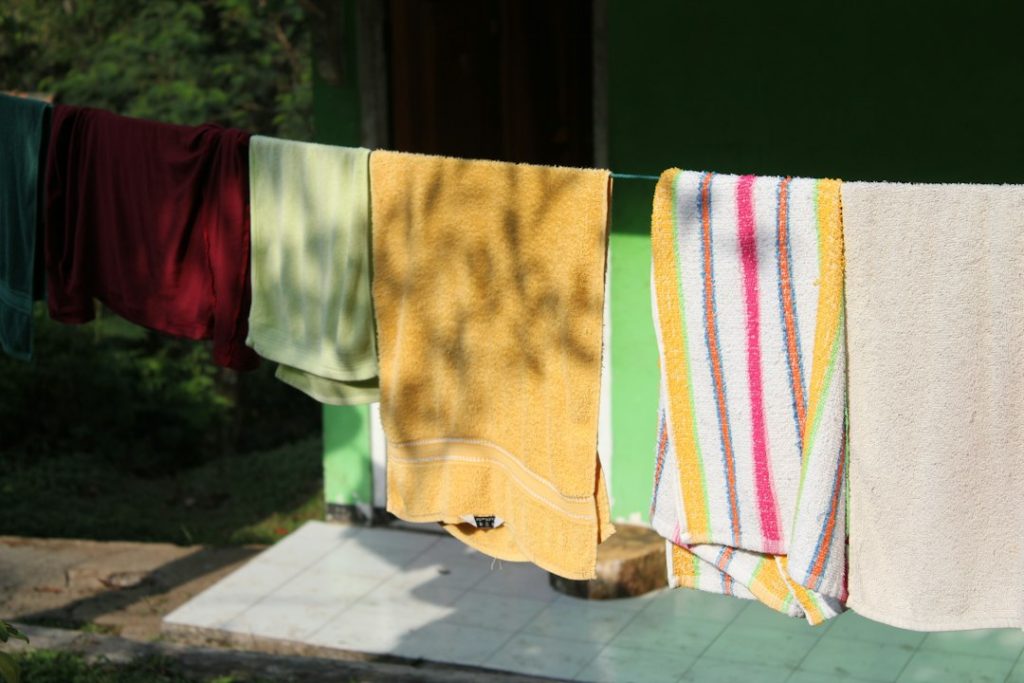
Transfer the clean, damp towels to the dryer. Use a medium heat setting. Avoid dryer sheets, as they reintroduce the very problem you’re trying to solve. Alternatively, hang your towels to air dry on a clothesline, preferably outdoors in the sun, which can also help naturally deodorize and soften them. Ensure they are completely dry before storing or using.

Troubleshooting Common Stripping Issues
What If the Buildup Persists?
If your towels still feel stiff or water-repellent after the stripping process, you might have a severe buildup or very hard water. Repeat the stripping process, perhaps opting for the double-cycle (baking soda wash followed by a vinegar wash) if you only did one method. Ensure you’re using enough vinegar (2 cups) or baking soda (1/2 cup). For extremely tough cases, a commercial laundry stripping product or a hot soak in a tub with a cup of Borax and a cup of washing soda (not baking soda) might be necessary, but use these with caution as they are harsher.
Dealing with Lingering Odors After Stripping
Sometimes, after stripping, a faint musty or chemical odor can linger, especially if the buildup was trapping bacteria or mildew. Ensure you ran extra rinse cycles. If the odor persists after drying, try an additional wash cycle with a dose of Borax or a specialized laundry odor eliminator. Air drying in direct sunlight is also excellent for combating odors.
Preventing Future Fabric Softener Buildup: Best Practices
The Truth About Fabric Softeners and Towels
Here’s the hard truth: fabric softeners are generally detrimental to the absorbency and longevity of towels. The coating that makes them feel soft also creates that water-repellent barrier. For towels, especially bath towels, it’s best to avoid fabric softeners altogether. The slight loss in initial softness is a small price to pay for towels that actually work.
Alternative Ways to Soften Towels Naturally
If you crave that soft, fluffy feel without the negative consequences, try these alternatives:
- Add vinegar to the rinse cycle: About 1/2 cup of white vinegar added during the final rinse cycle can act as a natural fabric softener, helping to smooth fibers without leaving a waxy residue.
- Use wool dryer balls: These natural wool balls bounced around in the dryer help to soften fabrics by increasing air circulation and providing a gentle tumbling action.
- Shake out towels: Shaking towels vigorously before drying and after removing them from the dryer helps to separate the fibers and restore fluffiness.
- Don’t over-dry: Over-drying in the dryer can make towels stiff. Remove them when they are just slightly damp and let them finish air drying.

Optimal Washing Habits for Long-Lasting Towels
Wash towels separately from other laundry items. Use a high-quality, free-and-clear detergent. Avoid overloading the washing machine. Use the hottest water temperature suitable for the fabric (check labels, but hot is generally Best for towels). And, crucially, skip the fabric softener and dryer sheets. Clean your washing machine regularly to prevent residue buildup in the machine itself.
Expert Tips for Reviving Old and Stiff Bath Towels
Don’t give up on those stiff, non-absorbent towels just yet! Stripping is often all they need. If stripping doesn’t fully restore them, consider using them as cleaning rags or for other household tasks. However, before tossing them, try a hot water soak with a cup of Borax or washing soda (again, not baking soda) for several hours, followed by a thorough wash and rinse. Sometimes, a more aggressive approach is needed for truly neglected textiles. Remember, consistent, proper washing habits are key to preventing this problem from recurring in the first place. It’s about setting up a routine that prioritizes function over fleeting softness.

FAQ: Your Burning Questions About Towel Stripping Answered
Q: How often should I strip my towels?
A: Most households don’t need to strip towels regularly. If you’ve stopped using fabric softener and are washing correctly, you might only need to strip them once or twice a year, or when you notice a significant decrease in absorbency. Over-stripping can wear down fibers faster.
Q: Can I use bleach instead of vinegar?
A: While bleach can help with whitening and sanitizing, it’s not effective at removing fabric softener buildup. In fact, bleach can react with residue in the fabric and sometimes worsen yellowing or create damage. Stick to vinegar or baking soda for stripping.
Q: My towels smell weird after stripping, what happened?
A: This can happen if the buildup was trapping mildew or bacteria. Ensure you used enough vinegar/baking soda and ran extra rinse cycles. A follow-up wash with a specialized odor remover or Borax, plus thorough air drying, should help.
Q: Will stripping damage my towels?
A: Generally, no. Vinegar and baking soda are relatively gentle. However, very old or delicate towels might show some wear. Always check care labels and consider stripping older towels less frequently or with slightly less aggressive methods.