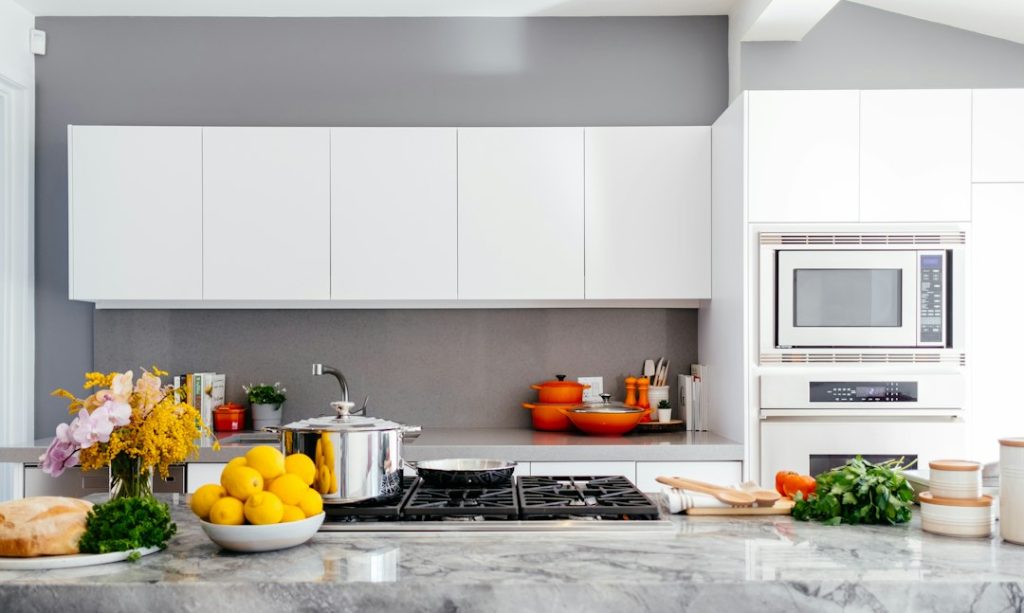
The heart of the home, the kitchen, is undergoing a perpetual evolution. As we step further into 2026, two opposing philosophies for upper cabinetry continue to dominate design discussions: the airy, accessible allure of open shelving and the traditional, protective embrace of closed upper cabinets. While aesthetics often take center stage, a critical, often overlooked factor in this debate is dust accumulation. This deep dive pits these two kitchen storage titans against each other, not just on style, but on their performance in the relentless battle against dust, offering a data-driven perspective for homeowners looking to make the most informed decision for their 2026 kitchens.
The Great Kitchen Debate: Open Shelving’s Allure vs. Closed Cabinet Practicality
The choice between open shelving and closed cabinets fundamentally shapes a kitchen’s visual landscape and functional dynamic. Open shelving champions a curated, display-oriented approach, inviting homeowners to showcase their best dishware, glassware, and decorative items. It creates an illusion of spaciousness and modernism, breaking the visual monotony of traditional upper cabinets. Conversely, closed cabinets offer a clean, uniform facade, effectively concealing the contents and maintaining a streamlined aesthetic. This practicality extends to their primary function: safeguarding stored items from the ubiquitous kitchen environment.
Open Shelving: The Aesthetic Appeal and the Dust Dilemma
The aesthetic draw of open shelving is undeniable. It allows for personalization, transforming everyday items into display pieces. Think meticulously arranged ceramic plates, gleaming copper pots, or artfully stacked cookbooks. This style can make a kitchen feel larger, more inviting, and uniquely reflective of its owner’s personality. However, this very openness presents a significant challenge: dust. Without doors or drawers to act as barriers, every item on open shelves is directly exposed to airborne particles, grease splatters, and cooking vapors. Keeping these displays pristine requires a commitment to frequent cleaning, a stark contrast to the low-maintenance nature of their closed counterparts.
Closed Cabinets: The Traditional Shield Against Dust and Clutter
Closed upper cabinets have long been the standard in kitchen design for good reason. Their primary advantage lies in their ability to keep contents hidden and protected. The doors create a physical barrier, significantly reducing the amount of dust that settles on dishes, glasses, and pantry staples. This makes them ideal for homeowners who prefer a minimalist look, wish to conceal less-than-perfectly organized storage, or simply have limited time for daily kitchen upkeep. While they offer a sense of order and tidiness, the design options, without careful consideration, can sometimes lean towards a more conventional or even dated appearance.
Dust Accumulation: A Head-to-Head Comparison
The practical performance of open shelving versus closed cabinets hinges significantly on their ability to mitigate dust. While visual appeal is subjective, the physics of dust deposition is not. Understanding how each system fares in real-world conditions is crucial for long-term satisfaction.
Open Shelving’s Dust Magnet Factor: What the Research Says
Studies and consumer reports consistently highlight open shelving’s vulnerability to dust. Airborne particles, a natural byproduct of any living space, settle rapidly on exposed surfaces. In a kitchen, this is exacerbated by cooking activities. Grease, smoke, and fine food particles can create a sticky film that traps dust, making cleaning more arduous than a simple wipe-down. Without regular, often daily, attention, open shelves can quickly look unkempt, diminishing the very aesthetic they were intended to enhance. Some sources suggest that items on open shelves can accumulate visible dust within 24-48 hours of cleaning, especially in high-traffic or active cooking environments.

Closed Cabinets: How Effective Are They Really at Dust Prevention?
Closed cabinets offer a substantial advantage in dust prevention. The sealed nature of cabinets, when doors are properly fitted, significantly limits the ingress of dust. While not entirely dust-proof—air exchange still occurs, and poorly sealed cabinets can allow some dust in—they dramatically reduce the surface area exposed. Items stored within closed cabinets generally require cleaning much less frequently than those on open shelves. Reports indicate that typical cleaning cycles for items inside closed cabinets can extend to weeks or even months, depending on the seal quality and the household’s general dust levels.
Real-World Scenarios: Dust Levels in Different Kitchen Environments
The severity of dust accumulation is highly contextual. In a kitchen where heavy frying or baking occurs daily, open shelves will become visibly dusty and greasy very quickly, perhaps within a day. In contrast, a kitchen used primarily for reheating or light meal preparation might see less rapid dust buildup. Similarly, homes in urban areas or near construction sites often contend with higher ambient dust levels, amplifying the challenge for open shelving. Conversely, well-sealed, high-quality closed cabinets in any environment will consistently outperform open shelving in maintaining a dust-free interior.
Aesthetic Impact: Transforming Your Kitchen’s Look
Beyond the practicalities of dust, the aesthetic transformation each option offers is a primary driver for homeowners. The visual language of open shelving is distinct from that of closed cabinets, each bringing its own set of advantages and potential drawbacks.
The Visual Statement of Open Shelving: Pros and Cons
Open shelving makes a bold design statement. It can introduce color, texture, and personality into a kitchen, acting as a visual focal point. For those who love to entertain or appreciate fine ceramics and glassware, it’s a way to integrate these elements into the daily functioning of the space. It fosters an open, airy feel, which is particularly desirable in smaller kitchens or open-plan living areas. However, the “con” is significant: it demands constant curation. Clutter, mismatched items, or a messy arrangement can quickly turn an intended aesthetic triumph into a visual eyesore, negating the positive impact.

The Timeless Elegance (or Blandness) of Closed Upper Cabinets
Closed cabinets offer a classic, clean, and often sophisticated look. They provide a visual respite, allowing the rest of the kitchen design—the backsplash, countertops, or island—to take center stage. They are universally adaptable, fitting into modern minimalist, traditional, farmhouse, or transitional kitchen styles. The potential downside is that without thoughtful design choices, they can appear monolithic, uninspired, or even slightly dated. The choice of cabinet door style, finish, and hardware becomes paramount in ensuring closed cabinets contribute positively to the overall aesthetic rather than detracting from it.
Styling Your Open Shelves: Curation and Maintenance for a Chic Look
Achieving the chic look of curated open shelves requires strategy. Start with a limited color palette for your dishware and décor. Group similar items together. Incorporate varying heights and textures. Avoid overcrowding; negative space is as important as the items displayed. Maintenance involves a daily quick wipe-down of frequently used items and a more thorough weekly cleaning of all items and the shelves themselves. Consider a strategic placement for less frequently used but aesthetically pleasing items higher up, requiring less immediate attention.
Open Shelving
👍 Pros
- Enhances visual spaciousness and openness.
- Provides easy access to frequently used items.
- Allows for personalized display and aesthetic expression.
- Can be more budget-friendly than custom closed cabinets.
👎 Cons
- Significant dust and grease accumulation.
- Requires frequent and rigorous cleaning.
- Can appear cluttered if not meticulously organized.
- May not be suitable for all kitchen activities (e.g., heavy frying).
Closed Upper Cabinets
👍 Pros
- Excellent dust and grease protection.
- Hides clutter and maintains a clean, uniform look.
- Requires minimal cleaning of stored items.
- Versatile design options to match any kitchen style.
👎 Cons
- Can make kitchens feel smaller or more closed off.
- Less immediate access to items.
- Potential for a dated or uninspired look if not designed well.
- Generally a higher initial cost for quality installation.
Functionality and Accessibility: Beyond Dust and Looks
The practical considerations extend beyond dust and aesthetics. How easy is it to get to your items? How much can you store? How much effort does upkeep require?
Ease of Access: Reaching for Your Essentials
Open shelving wins unequivocally on accessibility. Items are visible and within immediate reach, eliminating the need to open doors or rummage through cabinets. This is a significant advantage for busy cooks who need to grab ingredients or utensils quickly. For individuals with mobility issues, the reduced need to reach up or bend down can also be a critical factor. Closed cabinets, while protecting contents, add an extra step—opening the door—before accessing anything. This is a minor inconvenience for most but can be a noticeable difference in daily kitchen workflow.
Storage Capacity and Organization: What Fits Where?
When comparing the same linear footage, closed cabinets generally offer more usable storage volume. The internal structure of cabinets, including adjustable shelves, often allows for more efficient organization of diverse items, from tall bottles to stacks of plates. Open shelving, especially if relying on decorative display, might sacrifice some practical storage capacity for visual appeal. Shelves need to be spaced appropriately for the items displayed, which can lead to wasted vertical space. Organizing open shelves for maximum storage without compromising aesthetics is a skill in itself.
Cleaning and Maintenance: Time Investment for Each Style
This is where the disparity is starkest. Maintaining open shelves involves a daily or near-daily routine of wiping down items and shelves, especially in active kitchens. The time investment can be substantial. Closed cabinets, on the other hand, require minimal maintenance for the items stored within. The primary cleaning task is wiping down the cabinet exteriors and occasional deep cleaning of the interior, perhaps once or twice a year. For homeowners prioritizing low maintenance, closed cabinets are the clear winner.
Material Matters: How Different Materials Affect Dust and Style
The materials used for shelving and cabinets play a role not only in durability and style but also in how they interact with dust.
Wood, Metal, Glass: Dust and Durability on Open Shelves
Open shelves come in various materials. Solid wood shelves, especially those with a matte or textured finish, can trap dust more readily than smooth, sealed surfaces. Metal shelves, such as industrial-style steel or brass, often have smoother surfaces that are easier to wipe clean, though porous metals might absorb grease. Glass shelves offer a highly smooth, non-porous surface that is excellent for repelling dust and easy to clean, but they are prone to smudges and require frequent polishing to maintain their sheen. The thickness and mounting of open shelves also impact their perceived durability and load-bearing capacity.
Laminate, Wood Veneer, Painted Finishes: The Dust Resistance of Closed Cabinets
Closed cabinets are typically constructed from materials like particleboard or MDF, faced with laminate, wood veneer, or painted finishes. Laminates and high-gloss finishes are generally the easiest to wipe clean and resist dust and grease penetration. Matte painted finishes can be slightly more porous and may show streaks if not cleaned properly. Wood veneer offers the natural look of wood with a more sealed surface than solid wood, making it relatively good at resisting dust. The quality of the seal and finish is paramount in determining how well closed cabinets keep dust out.
Cost Analysis: Installation and Long-Term Investment
The financial implications of choosing between open shelving and closed cabinets are considerable, encompassing initial purchase, installation, and long-term upkeep.
The Price of Open Shelving: From DIY to Custom Installs
Open shelving can be one of the more budget-friendly kitchen upgrades, especially if opting for a DIY approach using readily available materials like reclaimed wood or simple metal brackets. Costs can range from under $100 for basic DIY setups to several hundred dollars for custom-made solid wood or high-end metal shelves. Installation for simple systems is often straightforward, potentially saving on labor costs. However, the ‘cost’ of frequent cleaning and potential replacement due to wear and tear should also be factored in.
The Cost of Closed Cabinets: Hardware, Installation, and Beyond
Closed cabinets represent a more significant investment. This includes the cost of the cabinet boxes, doors, hinges, drawer slides, and handles/knobs. Installation is also more complex and labor-intensive, typically requiring professional fitting. A basic set of new upper cabinets can range from $1,000 to $5,000 or more, depending on size, material quality, and brand. Refacing existing cabinets or installing custom cabinetry can push these costs even higher. However, the long-term benefits of durability, dust protection, and aesthetic consistency often justify the higher upfront expense.
| Feature | Open Shelving | Closed Cabinets |
|---|---|---|
| Initial Cost | $50 – $500+ (DIY to custom) | $1,000 – $5,000+ (Basic to custom) |
| Installation Complexity | Low to Moderate | Moderate to High (Often professional) |
| Dust Accumulation | High | Low |
| Cleaning Frequency (Items) | Daily to Weekly | Monthly to Annually |
| Aesthetic Impact | Display-oriented, personalized, airy | Concealed, uniform, classic |
| Accessibility | Very High | Moderate (Requires opening doors) |
| Storage Capacity (per linear foot) | Moderate (Can be limited by display needs) | High (Efficient use of space) |
| Long-Term Maintenance | High (Cleaning) | Low (Exterior wiping) |
Expert Insights and Designer Perspectives for 2026 Kitchens
Design trends and technological advancements in 2026 offer new perspectives on both open shelving and closed cabinets.
Trending Open Kitchen Designs for 2026
In 2026, open shelving designs are leaning towards integrated solutions. Think floating shelves with built-in LED lighting to highlight displays and make them easier to clean, or modular systems that allow for flexibility. Materials like textured wood, matte black metal, and even sustainable composites are popular. The trend is towards more intentionality – fewer shelves, but more carefully curated items. Designers are also exploring incorporating open shelving in specific zones, like a dedicated coffee or bar area, rather than the entire kitchen.
Modern Solutions for Dust-Proofing Open Shelving
While truly “dust-proof” open shelving is an oxymoron, strategies exist to mitigate the issue. Some innovative designs incorporate subtle overhangs or lips on shelves to partially deflect settling dust. Using non-porous, highly polished materials like engineered quartz or solid surface for the shelves themselves can make cleaning more effective. For the truly committed, integrating air purifiers strategically within the kitchen space can reduce overall airborne particulate matter. However, the most effective approach remains diligent, regular cleaning.

Smart Storage Innovations for Closed Cabinets
Closed cabinets in 2026 are embracing technology and smart design. Integrated features like soft-close mechanisms, pull-out pantries, lazy Susans, and sophisticated drawer organizers are standard. Some high-end systems offer automated door opening with a simple touch or voice command. Materials are also evolving, with advancements in moisture-resistant and anti-microbial finishes becoming more common. The focus is on maximizing the utility and user experience within the protected space of the cabinet.
Making the Right Choice for Your Kitchen in 2026
Deciding between open shelving and closed upper cabinets requires a realistic assessment of your lifestyle, design preferences, and tolerance for maintenance.
Key Considerations Before You Decide
Evaluate your cooking habits: Do you fry frequently? How much time do you spend cooking? Assess your cleaning habits: Are you meticulous, or do you prefer low-maintenance solutions? Consider your aesthetic goals: Do you want a minimalist look or a space to display personal items? What is your budget for initial installation and potential long-term upkeep?
Who Should Choose Open Shelving?
Open shelving is Best for homeowners who:
- Prioritize aesthetic display and personalization.
- Have a relatively low-dust environment or rarely engage in heavy-duty cooking (e.g., minimal frying/baking).
- Are diligent about daily or near-daily kitchen cleaning.
- Desire a more open, airy, and visually spacious kitchen.
- Are on a tighter budget and considering DIY options.
- Have excellent quality air filtration systems in their home.
Who Should Stick with Closed Upper Cabinets?
Closed upper cabinets are the superior choice for homeowners who:
- Value practicality, low maintenance, and dust protection above all.
- Cook frequently, especially using methods that generate grease or smoke.
- Prefer a clean, minimalist, or uncluttered look.
- Have limited time for daily kitchen upkeep.
- Need maximum practical storage and organization.
- Are investing in a long-term kitchen remodel where durability and ease of care are paramount.
Hybrid Solutions: The Best of Both Worlds?
Many modern kitchens successfully integrate both open shelving and closed cabinets. This approach allows for the display benefits of open shelving in specific, less frequently used areas (e.g., above a counter away from the stove) while leveraging the dust-protection and storage capacity of closed cabinets for the majority of the kitchen. For instance, closed cabinets could house everyday dishware and pantry staples, while a few open shelves above a dining nook could display decorative ceramics or cookbooks. This hybrid model offers a balanced solution, catering to both aesthetic desires and practical needs.

👑 Ultimate Winner: Closed Upper Cabinets
For the vast majority of homeowners in 2026, particularly those prioritizing practicality, hygiene, and long-term ease of maintenance, Closed Upper Cabinets emerge as the definitive winner in the ongoing kitchen storage debate. While open shelving offers undeniable aesthetic charm and immediate accessibility, its significant vulnerability to dust and grease accumulation presents a persistent challenge that demands considerable daily effort. In a world where time is increasingly precious, the low-maintenance, protective nature of closed cabinets provides a more sustainable and hygienic solution for everyday living. They effectively shield contents from the inevitable kitchen airborne particles and cooking byproducts, ensuring that stored items remain cleaner for longer periods. Furthermore, the versatility in design for closed cabinets ensures they can seamlessly integrate into any aesthetic, from ultra-modern to classic farmhouse, without sacrificing their core protective function. For those seeking a beautiful, functional, and forgiving kitchen environment, the enduring practicality of closed upper cabinets makes them the soundest investment.