The sheer weight of a large mirror can turn a simple DIY hanging job into a high-stakes engineering challenge. While the allure of a perfectly placed statement piece is strong, the risk of a catastrophic failure – a fallen mirror – is a genuine concern. When it comes to securing these heavy art pieces to drywall, the choice of anchor is paramount. Two of the most common contenders for heavy-duty applications are toggle bolts and self-drilling plastic anchors. But which one truly reigns supreme when load capacity is the ultimate deciding factor? This article dissects their capabilities, installation nuances, and long-term performance to crown the champion for your most demanding mirror-hanging needs.
The Contenders: Understanding Your Heavy-Duty Anchors
Before diving into the head-to-head comparison, it’s crucial to understand the fundamental design and intended purpose of each anchor type. They approach the challenge of supporting weight in drywall from distinctly different angles, each with its own set of strengths and weaknesses.
Toggle Bolts: The Heavyweight Champions of Drywall
Toggle bolts are renowned for their exceptional holding power, especially in situations where drywall alone offers minimal structural integrity. Their design is deceptively simple yet highly effective. A toggle bolt consists of a machine screw and a spring-loaded, hinged toggle bar.
The installation process involves drilling a hole in the drywall large enough for the collapsed toggle bar to pass through. Once the screw is passed through the object to be mounted (in this case, a mirror bracket), the toggle bar is inserted into the hole. As the screw is tightened, the toggle bar springs open and pivots to lie flat against the *back* of the drywall. This creates a large surface area of contact, distributing the weight across a much wider section of the wallboard and significantly increasing the anchor’s load capacity. The principle is akin to anchoring a shelf to a hollow door – the more surface area you engage behind the material, the stronger the hold.

Their primary advantage lies in this mechanical advantage. By “grabbing” the interior of the wall cavity, they bypass the inherent weakness of the drywall face itself. This makes them ideal for applications where sheer weight and the potential for uneven stress are major concerns.
Self-Drilling Plastic Anchors: The Convenient Competitors
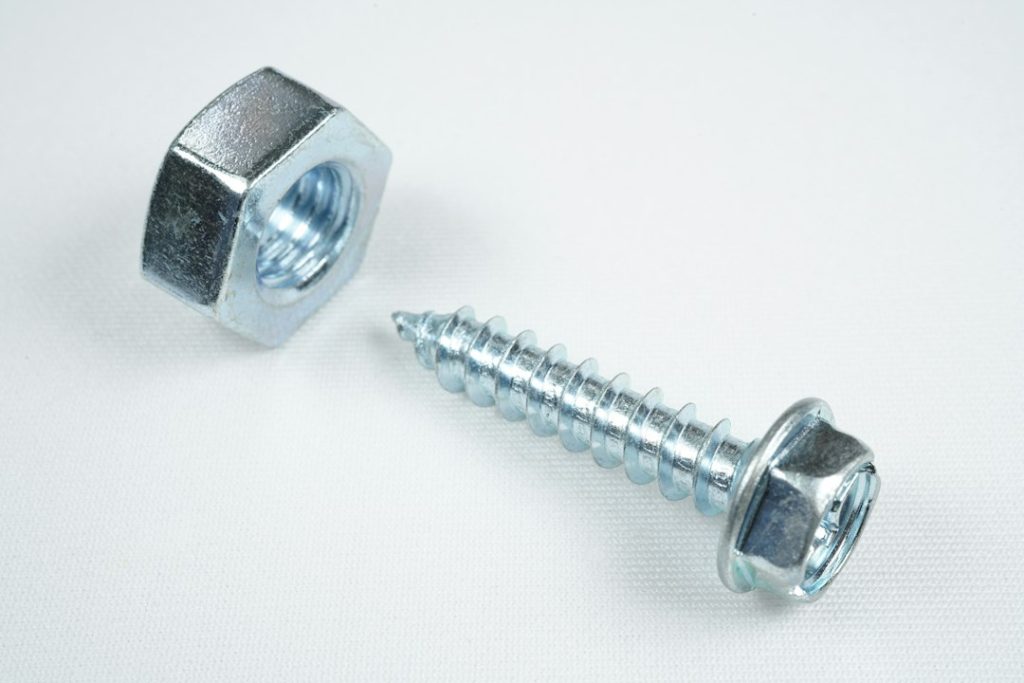
Self-drilling plastic anchors, often referred to as “dring-ins” or “molly bolts” (though technically distinct from traditional molly bolts), offer a different approach. These anchors are typically made from robust plastic or nylon and feature a pointed tip with screw-like threads. Their key selling point is ease of installation; they are designed to be screwed directly into the drywall using a screwdriver or drill, without the need for a pre-drilled pilot hole (though some manufacturers recommend one for optimal performance).
As the anchor is screwed in, its threads cut into the drywall material, creating a secure fit. Once fully seated, a screw is then driven into the anchor’s pre-formed opening to secure the object. The holding power of these anchors relies on the friction and the grip the threads achieve within the drywall material itself. They essentially expand the drywall slightly and create a tight frictional bond.

Their convenience is undeniable. For lighter items, they offer a quick and straightforward solution. However, their dependence on the integrity of the drywall face makes them inherently less suitable for extremely heavy, static loads compared to toggle bolts.
Head-to-Head: Load Capacity Under the Microscope
The critical differentiator when hanging a heavy mirror is load capacity. This isn’t just about static weight; it’s also about shear strength (the force pulling the object down) and pull-out strength (the force trying to pull the anchor straight out of the wall).
Scientific Load Testing: What the Data Says
Verified, independent load testing data is crucial here. While specific numbers can vary significantly based on anchor brand, drywall type (1/2″ or 5/8″ standard drywall being most common), and installation quality, general trends emerge.
* Toggle Bolts: Standard toggle bolts, particularly the larger sizes (e.g., 1/4″ or 3/8″ machine screw diameter with corresponding large toggle bars), are often rated for vertical loads of 50-150 lbs or more in standard drywall when installed correctly. Some heavy-duty, specialized toggle bolts can exceed 200 lbs. Their strength comes from engaging the wall cavity, making them less susceptible to the drywall’s own limitations. The pull-out resistance is exceptionally high due to the large surface area of the expanded toggle.
* Self-Drilling Plastic Anchors: These anchors typically have much lower weight ratings, often in the range of 10-50 lbs for standard plastic models. Higher-rated versions might push towards 75 lbs, but these are usually for denser wall materials or have specialized designs. Their load capacity is directly limited by the strength of the drywall they are screwed into. Any weakness in the drywall, or stress concentration around the anchor threads, can lead to failure.

| Specification | Toggle Bolts (Heavy Duty) | Self-Drilling Plastic Anchors (Standard) |
|---|---|---|
| Typical Drywall Load Capacity (Vertical) | 50 – 150+ lbs | 10 – 50 lbs |
| Mounting Mechanism | Toggle bar expands behind drywall | Threads grip drywall material |
| Installation Complexity | Requires drilling a larger hole, more steps | Simple screwing into drywall |
| Required Hole Size | Anchor-specific (larger than screw) | None (self-drilling) or small pilot hole |
| Risk of Drywall Damage During Install | Moderate (hole size is critical) | Low to moderate (stripping threads is possible) |
| Best for | Heavy items (mirrors, shelves, TV mounts) | Light to medium items (pictures, light fixtures, small shelves) |
| Material | Metal (bolt & toggle) | Nylon or Plastic |
Real-World Mirror Hanging Scenarios
Consider a large, decorative mirror weighing 40 lbs. This weight is static when the mirror is hung. However, the forces are not always perfectly vertical. A slight bump, or the leverage created by the mirror’s size and distance from the wall, can significantly increase the effective load.
* Scenario A (Toggle Bolts): A 40 lb mirror is hung using two appropriately sized toggle bolts. Each bolt is rated for at least 50 lbs (or more). The total capacity is well over the mirror’s weight, and the toggle mechanism distributes the load across a wide area of the wall cavity, providing a robust safety margin.
* Scenario B (Self-Drilling Anchors): The same 40 lb mirror is hung using four self-drilling anchors, each rated for 25 lbs. Theoretically, 4 x 25 lbs = 100 lbs capacity. However, this relies entirely on the drywall’s integrity. If the drywall is old, slightly damp, or if the threads strip during installation, the actual load capacity could drop precipitously. The concentrated stress around each anchor point is a significant risk factor.
Failure Points: When Anchors Give Way
Understanding how anchors fail is as important as knowing their ratings.
* Toggle Bolts: Failures are rare but can occur if:
* The wrong size toggle bolt is used for the drywall thickness, preventing the toggle from opening correctly.
* The toggle bar falls into a stud bay or cavity where there’s no drywall backing on the other side, limiting its ability to deploy.
* The drywall itself crumbles around the hole due to excessive force or repeated stress.
* The machine screw threads strip or break under extreme load.
* Self-Drilling Plastic Anchors: Failures are more common, especially with heavy items:
* The drywall material around the threads weakens or crumbles, leading to pull-out.
* The threads strip during installation, meaning the anchor spins freely and offers no holding power.
* The plastic anchor itself cracks or deforms under load, particularly if exposed to temperature fluctuations or constant stress.
* The anchor is overloaded, causing the drywall to tear out around it.

The fundamental difference is that toggle bolts leverage the *structure behind* the drywall, while self-drilling anchors rely solely on the *integrity of the drywall face*. For heavy mirrors, this distinction is critical.
Installation Deep Dive: Ease vs. Security
The installation process often dictates DIYer choices. Convenience can be tempting, but at what cost to security?
Toggle Bolt Installation: Precision Required
Installing toggle bolts is a more involved process:
1. Marking: Precisely mark where the anchors will go.
2. Drilling: Drill a hole of the specified diameter for the toggle. This is crucial – too small, and the toggle won’t fit; too large, and it compromises the drywall.
3. Insertion: Collapse the toggle bar and insert it through the hole.
4. Tightening: Hold the screw head and tighten the bolt. The toggle bar should deploy and lie flat against the back of the drywall.
5. Mounting: Attach the mirror bracket to the bolt.
This process requires careful measurement and the correct drill bit size. However, once the toggle is deployed, the hold is exceptionally secure.
Self-Drilling Anchor Installation: Quick and Easy?
Self-drilling anchors are designed for speed:
1. Marking: Mark the spot.
2. Driving: Use a screwdriver or drill to screw the anchor directly into the drywall until its collar is flush with the wall.
3. Inserting Screw: Drive the appropriate screw into the anchor.
The process is significantly faster and requires less specialized knowledge or tools. However, the risk of over-driving, under-driving, or stripping the threads in the drywall is always present, especially with heavier loads where the drywall might not provide sufficient grip.
Avoiding Common Installation Mistakes
* Toggle Bolts:
* Using a drill bit that’s too large or too small.
* Not ensuring the toggle bar has deployed correctly against the back of the drywall.
* Attempting to install in drywall that is crumbling or damaged.
* Self-Drilling Anchors:
* Over-driving, which can strip the threads in the drywall.
* Under-driving, which leaves the anchor collar proud of the wall.
* Stripping the threads by applying too much torque or by screwing into weakened drywall.
* Using them for loads significantly exceeding their stated capacity.
For a heavy mirror, the extra time and precision required for toggle bolts are a worthwhile investment in safety.
Toggle Bolts
Pros:
- Exceptional holding power for heavy loads.
- Distributes weight across a large area of the wall cavity.
- High shear and pull-out strength.
- Reliable in various drywall thicknesses.
Cons:
- Requires a larger pilot hole.
- More complex and time-consuming installation.
- Less forgiving of installation errors.
Self-Drilling Plastic Anchors
Pros:
- Very easy and quick to install.
- No pre-drilling typically required.
- Good for lighter decorative items.
Cons:
- Significantly lower load capacity compared to toggle bolts.
- Holding power is entirely dependent on drywall integrity.
- Risk of stripping threads or drywall pull-out with heavy loads.
- Plastic can degrade over time or with stress.
Beyond Load Capacity: Factors to Consider
While load capacity is paramount for heavy mirrors, other factors influence the best choice:
Drywall Type Compatibility
Both anchors are designed primarily for standard gypsum drywall. However, toggle bolts are generally more forgiving across different drywall thicknesses (e.g., 1/2″ vs. 5/8″). Self-drilling anchors’ effectiveness is highly dependent on the density and condition of the specific drywall sheet. They perform poorly in very thin or brittle drywall.
Material Thickness and Depth
The depth of the wall cavity is critical for toggle bolts. The toggle bar needs sufficient space behind the drywall to open and deploy effectively. Standard wall cavities (typically 1/2″ or 5/8″ drywall with 1/2″ air gap) are usually sufficient. Self-drilling anchors are limited by the thickness of the drywall face itself; they don’t engage the cavity.
Longevity and Durability
Metal toggle bolts, being made of steel, offer excellent long-term durability. They are resistant to corrosion (especially if plated) and mechanical stress. Plastic anchors, while durable for their intended purpose, can become brittle over time due to temperature fluctuations or UV exposure (if near a window), and the plastic can fatigue under constant load. For a heavy mirror that will remain in place for years, the longevity of metal toggle bolts is a significant advantage.
Cost-Effectiveness Over Time
While individual self-drilling anchors are typically cheaper than toggle bolts, the cost comparison shifts when considering the application. The higher failure rate of plastic anchors for heavy items can lead to the cost of replacing a damaged mirror, repairing drywall, and purchasing the correct hardware. When factoring in the peace of mind and reliability for a valuable or heavy mirror, the slightly higher initial cost of robust toggle bolts makes them the more cost-effective solution in the long run.
Expert Recommendations for Hanging Heavy Mirrors
As a product review expert focused on performance and safety, my recommendations are clear and data-driven.
When to Absolutely Choose Toggle Bolts
* Any mirror weighing over 30 lbs.
* Large mirrors where the leverage and potential for accidental impact are higher.
* High-traffic areas where the mirror might be bumped.
* Rental properties where minimizing the risk of damage is crucial.
* When you need absolute certainty that the mirror will remain securely mounted for years.
* Hanging on ceilings or angled walls where gravity’s pull is less predictable.
When Self-Drilling Anchors Might Suffice (and When They Won’t)
Self-drilling anchors are NOT recommended for heavy mirrors. Their utility is limited to:
* Very light, small decorative mirrors (e.g., under 10 lbs) in stable locations.
* Temporary installations where weight is not a primary concern.
* Situations where minimal wall damage is paramount and the item’s weight is negligible.
Attempting to hang a heavy mirror with self-drilling plastic anchors is a gamble with potentially expensive consequences. The risk of drywall failure or anchor pull-out is simply too high.
Essential Safety Tips for Mirror Installation
1. Know Your Mirror’s Weight: Always find the exact weight if possible. If not, err on the side of caution and assume it’s heavier than you think.
2. Locate Studs (If Possible): While toggle bolts work in drywall *between* studs, hitting a stud with any anchor provides superior support. Use a stud finder.
3. Use Multiple Anchors: Distribute the weight across at least two, preferably four, anchors for heavy mirrors.
4. Match Anchor Size to Load: Ensure the anchor’s weight rating significantly exceeds the mirror’s weight, considering shear and pull-out forces.
5. Level Installation: Use a level during installation to ensure the mirror hangs straight and the weight is distributed evenly.
6. Consider Professional Help: For extremely large, heavy, or valuable mirrors, or if you are unsure about your DIY skills, hire a professional.
FAQ: Your Burning Questions Answered About Mirror Anchors
Can self-drilling anchors hold a heavy mirror?
Generally, no. Standard self-drilling plastic anchors are designed for light to medium-duty items (typically under 30-50 lbs, depending on the specific anchor and drywall). Heavy mirrors, often exceeding 40-50 lbs, place stresses that these anchors are not equipped to handle, leading to a high risk of failure.
What is the weight limit for toggle bolts?
The weight limit varies significantly by size and type. However, heavy-duty toggle bolts designed for substantial loads can typically support anywhere from 50 lbs up to 150 lbs or even 200+ lbs in standard 1/2″ drywall when installed correctly. Always check the manufacturer’s specifications for the specific toggle bolt you are using.
How do I choose the right anchor for my mirror?
The primary factor is the weight of the mirror.
* For mirrors under 15-20 lbs, quality self-drilling anchors *might* suffice, provided they are installed correctly and the drywall is in good condition.
* For mirrors over 20-30 lbs, and especially for anything heavy or large, toggle bolts are the strongly recommended choice. Always select anchors rated significantly higher than the mirror’s actual weight to provide a safe margin. Consider the installation method, the type of wall material, and the longevity required.
👑 Ultimate Winner: Toggle Bolts for Heavy Mirror Loads
When the safety and security of a heavy mirror are on the line, toggle bolts emerge as the undisputed champion. Their ability to engage the structural integrity behind the drywall, distributing weight across a far greater surface area, provides a level of holding power and reliability that self-drilling plastic anchors simply cannot match. While plastic anchors offer convenience for lighter tasks, they are fundamentally ill-suited for the demands of supporting substantial weight like that of a large mirror. The installation, though more involved, is a critical investment in preventing potentially disastrous and costly failures. For any mirror where weight is a significant concern, choose toggle bolts for peace of mind and unwavering security.