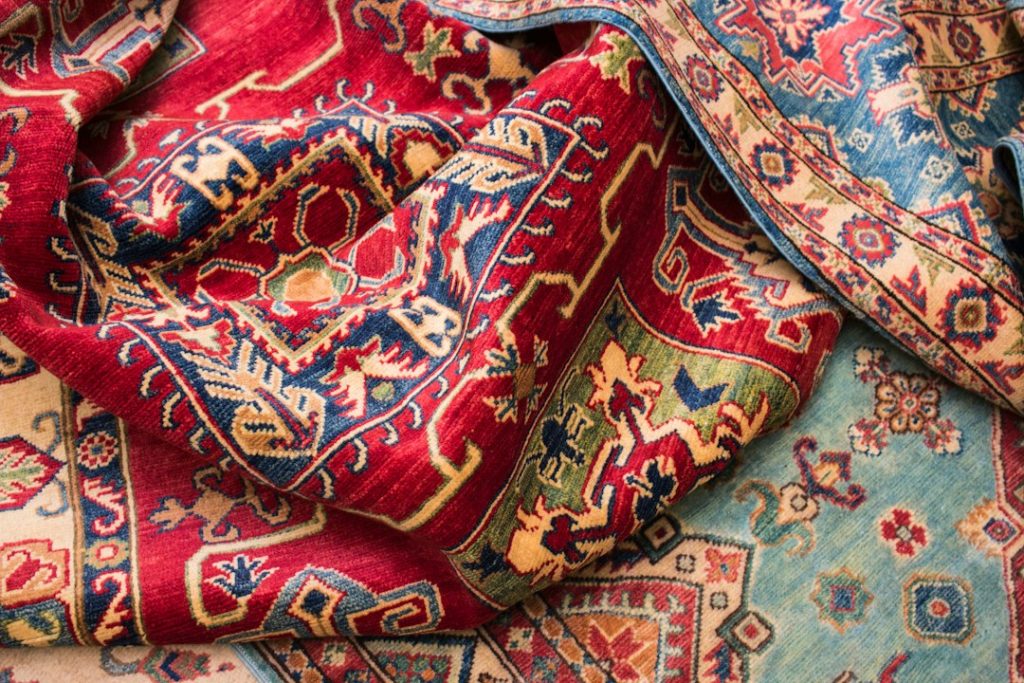
The age-old debate in home decor isn’t just about color palettes or furniture styles; it extends to the very foundation of a room: the rug. For decades, traditional rugs have been the undisputed champions, offering timeless style and plush comfort. However, a new contender has emerged, challenging the status quo with promises of unparalleled convenience: the washable rug. But as these two categories go head-to-head, crucial questions arise about their fundamental differences in thickness, the efficacy of their non-slip backing, and how they truly hold up against the harsh realities of washing machine wear. This analysis delves deep into these critical aspects to help you make an informed decision for your home in 2026.
The Great Rug Debate: Washable vs. Traditional – What’s the Real Difference?
At first glance, the choice might seem straightforward: convenience versus tradition. Washable rugs, often made from synthetic materials like polyester or a cotton blend, are engineered for ease of cleaning. They are typically designed to be thrown into a washing machine and sometimes even a dryer. Traditional rugs, on the other hand, encompass a vast array of styles, from hand-knotted Orientals and plush shag carpets to durable wool area rugs. Their value often lies in their craftsmanship, material quality, and aesthetic permanence, but cleaning them is often a specialized, expensive, or even impossible task for the average homeowner.
Decoding Washable Rugs: Convenience Meets Compromise
The primary selling point of washable rugs is undeniably their convenience. Spills, pet accidents, and general grime can be tackled with a simple wash cycle. This makes them incredibly appealing for high-traffic areas, homes with young children or pets, and for individuals who prioritize low-maintenance living. However, this convenience often comes at a price. The construction methods and materials used in washable rugs are designed to withstand repeated washing, which can sometimes translate to a less luxurious feel underfoot compared to their traditional counterparts. The pile might be shorter, the fibers less dense, and the overall structure less robust.

Understanding Traditional Rugs: Timeless Appeal and Hidden Costs
Traditional rugs, especially those made from natural fibers like wool or silk, offer an unparalleled sense of luxury and aesthetic depth. They can become heirloom pieces, passed down through generations, and contribute significantly to a room’s ambiance. The inherent density and texture of materials like wool provide superior cushioning and warmth. However, maintaining this beauty is a significant undertaking. Professional cleaning can be costly, costing anywhere from $0.50 to $2.00 per square foot, and frequent professional cleanings can add up substantially over the lifespan of the rug. Furthermore, certain delicate materials or intricate weaves are susceptible to damage from improper cleaning attempts, leading to irreversible wear and color bleeding.
Thickness Matters: How Pile Height Impacts Comfort and Maintenance
Rug thickness, specifically pile height, is a critical factor influencing both the tactile experience and the practical maintenance of a rug. It dictates the plushness, the sound absorption, and how easily dirt and debris can become embedded.
Plush vs. Low Pile: Choosing the Right Thickness for Your Space
Thicker rugs, often characterized by a high pile, offer superior comfort and a luxurious feel. They excel in bedrooms, living rooms, and any area where comfort is paramount. The longer fibers create a soft, sinking sensation underfoot and contribute to a quieter room by absorbing sound. Low-pile rugs, conversely, are generally easier to clean, less prone to matting, and better suited for high-traffic areas like hallways or dining rooms, where they won’t be easily crushed by furniture or footsteps. They also tend to be more durable in the long run as dirt has less depth to penetrate.
The Thickness Trap: How Washable Rugs Sacrifice Depth for Washability
The design imperative for washable rugs often leads to a compromise on thickness. To ensure they fit into standard washing machines and dry efficiently without excessive moisture retention, washable rugs typically feature a much lower pile height than traditional rugs. While this aids in the washing process, it means sacrificing that deep, luxurious plushness that many associate with high-end rugs. The fibers might be shorter and less dense, resulting in a rug that feels flatter and offers less cushioning. This trade-off is a direct consequence of prioritizing machine-washability.

Grip Factor: Non-Slip Backing – A Must-Have or an Afterthought?
A rug’s ability to stay in place is crucial for safety and preventing premature wear. The backing material plays a pivotal role in this.
The Importance of a Secure Rug: Preventing Slips and Falls
A rug that shifts or bunches up is not only an aesthetic nuisance but a significant safety hazard, particularly in households with elderly individuals, children, or in areas prone to moisture. A secure backing prevents slips and falls, ensuring the rug remains flat and stable on the floor. It also protects the rug itself from being stretched or damaged by movement.
Comparing Backing Technologies: From Latex to Rubber Grips
Traditional rugs often rely on various backing materials. Some higher-end rugs may have a woven backing, while others might incorporate latex or felt. Many require a separate rug pad underneath to provide cushioning and prevent slippage. These pads can range from thin felt to thick rubber, each offering different levels of grip and comfort. However, older latex backings can degrade over time, becoming sticky or brittle, and some synthetic materials may not provide adequate grip on certain flooring types without a dedicated pad.
Washable Rugs’ Built-in Advantage: Seamless Non-Slip Performance
One of the most significant advantages of many modern washable rugs is their integrated non-slip backing. Manufacturers often equip these rugs with a layer of rubber or a similar grippy material directly attached to the rug itself. This eliminates the need for a separate rug pad and ensures a consistently secure fit, especially after washing. This built-in functionality simplifies the user experience and enhances safety straight out of the box, a feature often missing in traditional rugs without the addition of a rug pad.
Washing Machine Wear and Tear: The Ultimate Test of Durability
The ability to withstand machine washing is the defining characteristic of washable rugs, but how do they truly fare under such conditions, and how do they compare to traditional cleaning methods?
Can You *Really* Wash a Rug? Debunking Myths and Setting Expectations
While “washable” is the label, it’s crucial to manage expectations. Not all washable rugs are suitable for high-heat settings or aggressive spin cycles. Some may require gentle cycles, cold water, and air drying. The repeated stress of a washing machine can still lead to gradual wear, such as fiber shedding, color fading, or a decrease in the backing’s integrity over time. It’s essential to follow manufacturer instructions meticulously to maximize the rug’s lifespan. For larger or thicker washable rugs, home washing machines might not be sufficient, necessitating commercial machines or professional cleaning anyway.

Assessing Durability: How Traditional Rugs Stand Up to Cleaning
Traditional rugs, especially those made from durable materials like wool, often boast impressive longevity when cleaned correctly. Professional cleaning methods, such as hot water extraction or dry cleaning, are designed to deep clean without the mechanical stress of a home washing machine. Wool rugs, in particular, are naturally stain-resistant and resilient, capable of withstanding rigorous cleaning processes and lasting for decades. However, attempting to machine wash a traditional rug not explicitly designed for it is almost guaranteed to cause damage.
The Washable Rug Lifecycle: Expecting Limited Lifespans
While washable rugs offer unparalleled convenience, their lifespan is often shorter than that of a well-maintained traditional rug. The constant cycle of washing and drying, even when done correctly, puts mechanical stress on the fibers and backing. This can lead to accelerated wear, with shedding, pilling, and a general decrease in plushness becoming apparent sooner. Homeowners should realistically expect a washable rug to have a shorter functional and aesthetic lifespan, perhaps in the range of 2-5 years depending on usage and care, before needing replacement. This is a significant factor when considering long-term value.
| Feature | Washable Rugs | Traditional Rugs |
|---|---|---|
| Pile Height | Typically low to medium, optimized for machine washing. | Wide range, from very low to ultra-plush high pile. |
| Material | Often synthetic (polyester, nylon) or cotton blends. | Wide variety, including natural (wool, silk, jute) and synthetic fibers. |
| Cleaning Method | Machine washable, some dryer safe. | Professional cleaning, spot cleaning, vacuuming. Machine washing usually not recommended. |
| Non-Slip Backing | Often integrated rubber or grippy material. | Varies; many require a separate rug pad. Some have built-in backing that may degrade. |
| Durability (Long-Term) | Generally shorter lifespan due to washing cycles. | Potentially very long lifespan with proper care and professional cleaning. |
| Initial Cost | Moderate to high, depending on size and quality. | Wide range, from budget-friendly synthetics to very expensive handcrafted pieces. |
| Maintenance Cost | Low (home washing machine). | Potentially high (professional cleaning). |
| Comfort/Luxury Feel | Can be less plush due to lower pile and synthetic materials. | Often higher, especially with natural fibers and high pile. |
Beyond the Basics: Key Considerations for Your Next Rug Purchase
Choosing between washable and traditional rugs involves looking beyond just the cleaning method. Material, style, and budget all play significant roles.
Material Deep Dive: Natural Fibers vs. Synthetics in Washable and Traditional Rugs
The choice of material profoundly impacts a rug’s feel, durability, and maintenance requirements. Traditional rugs often feature natural fibers like wool, renowned for its resilience, natural stain resistance, and luxurious texture. Silk offers unparalleled sheen and softness but is delicate and expensive. Jute and sisal provide a natural, organic look but are less forgiving with spills. Washable rugs predominantly utilize synthetic fibers such as polyester, nylon, or polypropylene. These materials are generally more resistant to stains and moisture and are easier to clean. However, they can sometimes lack the natural luster, warmth, and unique texture of their natural counterparts.
Style and Aesthetics: Finding a Rug That Complements Your Decor
Both washable and traditional rugs come in an astonishing variety of styles, colors, and patterns. Traditional rugs often excel in intricate designs, vintage aesthetics, and a wider range of sophisticated patterns that can serve as statement pieces. Washable rugs have increasingly caught up, offering modern minimalist designs, abstract patterns, and even convincing faux-traditional styles. However, the lower pile height common in washable rugs can sometimes affect the clarity and depth of intricate patterns compared to higher-pile traditional rugs.
Budget Breakdown: Long-Term Value of Washable vs. Traditional Rugs
The initial cost can be misleading when evaluating the long-term value. A cheaper washable rug might seem economical upfront, but if it needs replacement every few years due to wear from washing, the cumulative cost could exceed that of a more expensive, durable traditional rug that lasts a decade or more with professional care. Conversely, a high-end traditional rug, while a significant investment, can retain its beauty and structural integrity for a lifetime, becoming a more cost-effective choice over many years. Consider the expected lifespan and ongoing maintenance costs for both types.

Real-World Performance: Case Studies and User Experiences
Examining how these rug types perform in actual homes provides invaluable insights.
Homeowners Weigh In: Successes and Failures with Washable Rugs
Many users rave about the sheer convenience of washable rugs, particularly families with young children or pet owners. “Being able to just toss the rug after my dog had an accident was a lifesaver,” shares one user. However, common complaints emerge regarding the diminished comfort and eventual degradation. “It’s convenient, yes, but it doesn’t feel as soft or look as rich as my old wool rug,” states another. Some users also report issues with backing deterioration after multiple washes or the rug losing its shape.
Expert Insights: When to Choose Washable and When to Invest in Traditional
Interior designers often recommend washable rugs for specific scenarios: playrooms, entryways, kitchens, and dining areas prone to frequent spills. They are practical solutions for high-traffic zones where frequent deep cleaning is a necessity. For spaces prioritizing luxury, comfort, and long-term investment, such as master bedrooms or formal living rooms, experts typically guide clients towards traditional rugs made from quality materials, emphasizing proper maintenance to preserve their beauty and longevity.
Making the Smart Choice: Which Rug Type Wins for Your Lifestyle in 2026?
The “better” rug ultimately depends on individual priorities, lifestyle, and the specific needs of the space. If low-maintenance, easy cleaning, and quick recovery from spills are your absolute top priorities, a washable rug is likely the superior choice for your busy household.
👑 Ultimate Winner: Washable Rugs (for specific needs)
For the modern, fast-paced household prioritizing practicality and ease of maintenance above all else—especially those with young children, pets, or a penchant for frequent entertaining where spills are inevitable—washable rugs offer an unmatched level of convenience. Their integrated non-slip backing and machine-washable nature simplify cleaning routines significantly. While they may compromise on the plushness and long-term aesthetic depth found in traditional rugs, their ability to remain clean and safe in high-stress environments makes them the winning choice for a functional, worry-free home. Consider them ideal for kitchens, entryways, kids’ rooms, and active living areas.
However, if you seek unparalleled comfort, luxurious texture, long-term investment value, and are willing to commit to professional cleaning or careful spot treatment, a traditional rug remains the pinnacle of floor covering. For spaces where aesthetics, deep comfort, and timeless appeal are paramount, traditional rugs offer a durability and richness that washable alternatives struggle to replicate, making them the enduring winner for creating a sophisticated and lasting ambiance.